Drying, categorising, and labelling before packing is more important than simply sealing the items.
Short answer
Clothing, books, documents, and photos should be preserved separately by material: clean and dry clothing; avoid heavy squeezing for books; use appropriate protective materials and indices for important papers. Do not equate moisture prevention with total sealing, and do not use general storage methods as a substitute for the professional preservation required for ancient books, precious photos, or special collectibles.
Key summary
- Cleaning, drying, and classification come before sealing.
- Books are heavy; even if the box isn't full, it may have reached the suitable weight.
- Separate document indices from external box labels to protect privacy.
- Do not casually mix newspaper clippings, photos, and general paper.
1. Clothing should be handled according to wash labels
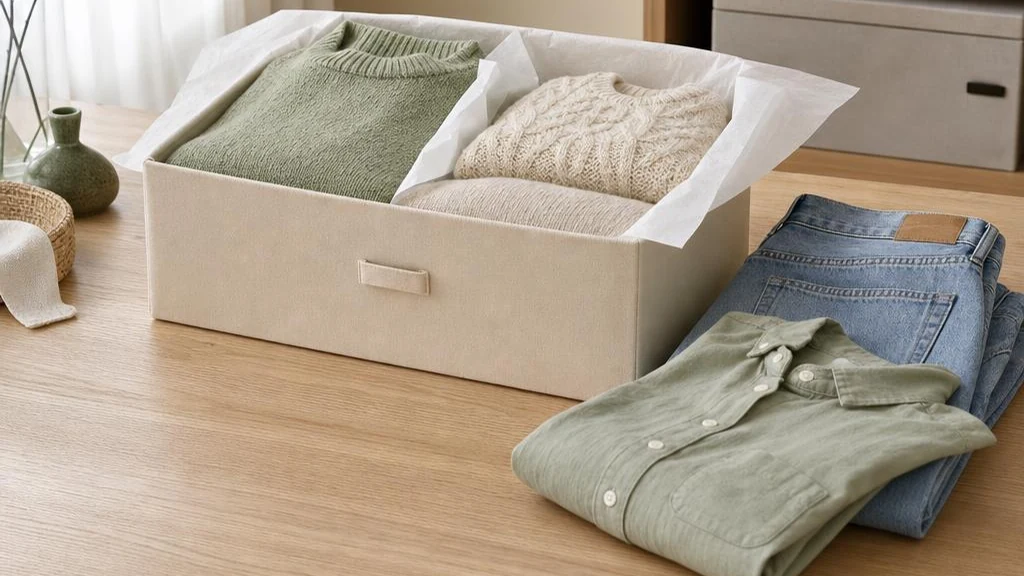
Clothing should be cleaned and completely dry before being packed. Wool, leather, and dry-clean-only garments should be treated according to their care labels or professional cleaning advice; do not treat all items the same way.
Do not put damp clothes into sealed bags. Whether vacuum bags are suitable depends on the material; down, leather, and easily deformed garments should not be overly compressed for long periods.
2. Avoid moisture and squeezing for books and paper
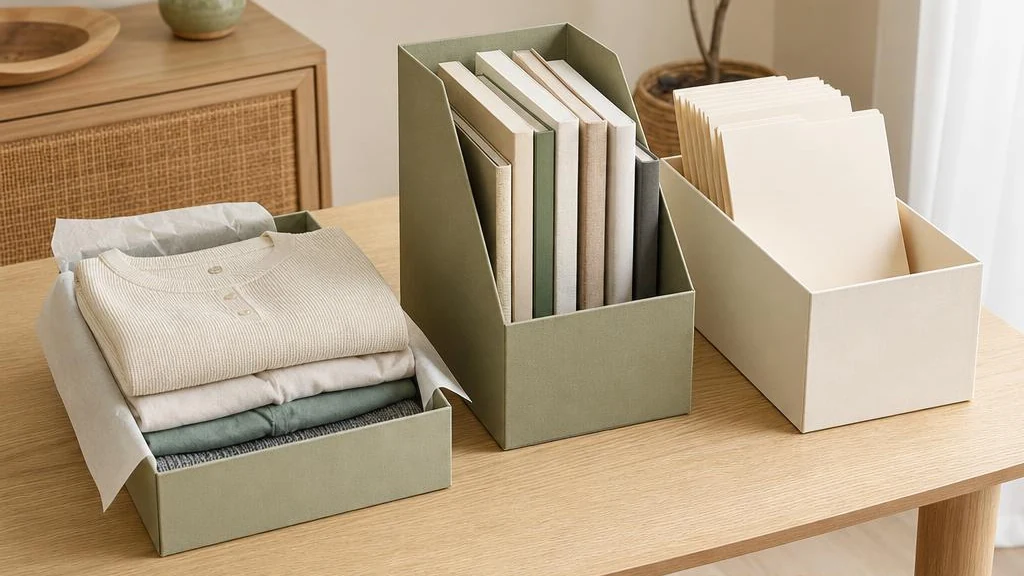
Dust books before packing and keep them dry. Group books of similar sizes and avoid placing them at an angle or packing them too tightly, which could pressure the spines.
Paper is very heavy; do not continue adding books just because there is still space in the box. The weight per box should comply with the limits for the storage box and moving arrangements.
3. Document classification and privacy are equally important
Organise documents by year, category, and retention needs, use appropriate folders to separate them, and establish an index corresponding to the box numbers. You should verify statutory retention periods for company documents with relevant professionals.
There is no need to write sensitive content like ID numbers or client details on external box labels. Documents containing personal data should be packed, accessed, and destroyed according to company policy.
4. Moisture-proof materials are not omnipotent
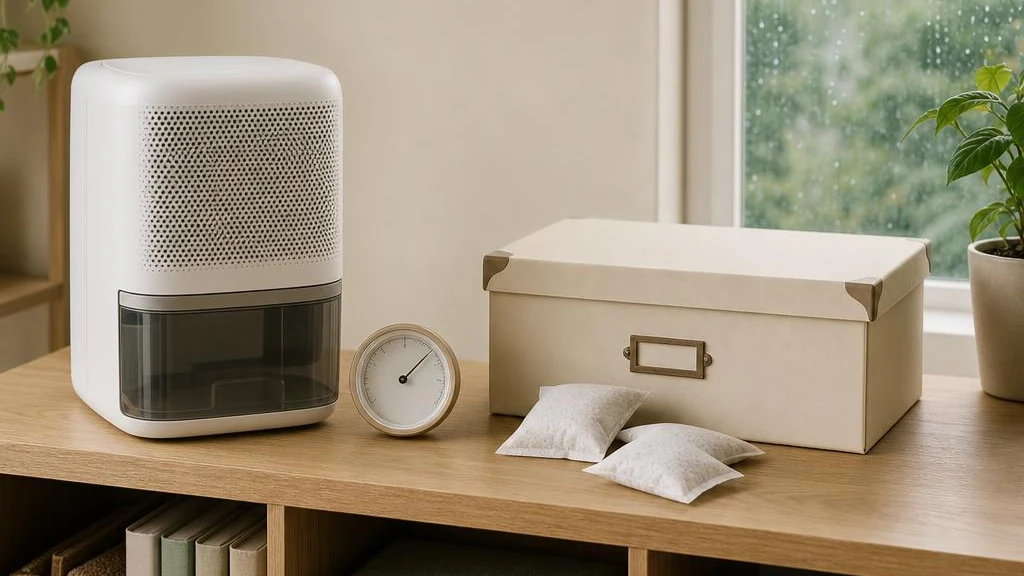
Desiccants can be used according to product instructions, but they cannot replace the need for the items themselves to be dry, nor can they guarantee mould-free results in all environments.
When choosing a storage plan, you can enquire about environmental management and item inspection arrangements. If items already have mould spots or pest issues, you should deal with them first and inform customer service to confirm if they are suitable for storage.
5. Why can't paper and photos be pasted randomly?
Tape, glue, and unsuitable protective covers may discolor, stick, or affect the paper surface in the future. Precious documents should not be repaired with ordinary tape, nor should fragile paper be forced into folders that are too small in an attempt to flatten it.
The University of Hong Kong Libraries preservation guidelines suggest storing documents and clippings with appropriate, acid-free, and lignin-free protective materials, and remind about material differences in photo protective covers. Check product descriptions when purchasing, rather than just looking at the transparent appearance.
6. Book packing must control both weight and pressure on the spine
Group books of similar size and support with a box of appropriate size to avoid gaps that allow books to tilt. Do not press heavy books onto thin documents, photos, or easily deformed covers; the box should close normally after packing.
Paper volume is small, but weight accumulates quickly; space remaining doesn't mean you can keep adding books. Note the box bottom, handles, and handling restrictions; split into multiple boxes if necessary. Dust surfaces gently; fragile or already damaged materials should be handled by professionals.
7. Handle document indices, backups, and retention periods separately
Number by type and year, create a 'Document Category—Box Number—Access Authority' reference, with the external box only showing an internal code. Content containing identity information, client records, or business data does not need to be written on visible labels.
Scanned backups are convenient for viewing, but this does not mean the original can be destroyed in all legal or business contexts. Retention periods and destruction requirements vary by document; confirm with applicable agencies or professionals; one storage article cannot replace such judgment.
8. What to do if moisture, mouldy smells, or paper sticking is found?
Separate affected items from dry ones; do not seal or mask with scents. Damp paper, glossy paper, printed matter, and photos have different handling methods; forced leafing, wet wiping, or bleaching can cause irreversible damage.
The Government Records Service emphasizes the importance of a dry environment, appropriate equipment, and regular inspections. For irreplaceable originals, large-scale moisture, or visible mould, prioritize seeking professional preservation advice; general warehouses and desiccants are not heritage restoration services.
FAQs
- Can old newspapers be placed directly inside photo albums or documents?
- Not recommended for casual mixing. Newsprint material may affect nearby paper; important clippings should be kept in appropriate protective covers or copied according to professional preservation guidelines.
- Can the original be destroyed immediately after document scanning?
- Cannot be generalized. Legal, contractual, and business requirements vary; confirm retention and destruction rules first; scanned backups do not automatically equal legal disposability of the original.
- Is air-conditioned mini-storage suitable for ancient books or precious photos?
- Not necessarily. Precious paper may require professional environments and preservation materials; assess conditions first; do not treat general air conditioning as an archive-grade temperature/humidity guarantee.
Further reading
The content of this article is for general reference only. Please determine actual arrangements based on item condition and the latest official guidelines.
Need to arrange storage for your items?
Tell us the item types and quantity, and we will help estimate the space and collection/delivery arrangements