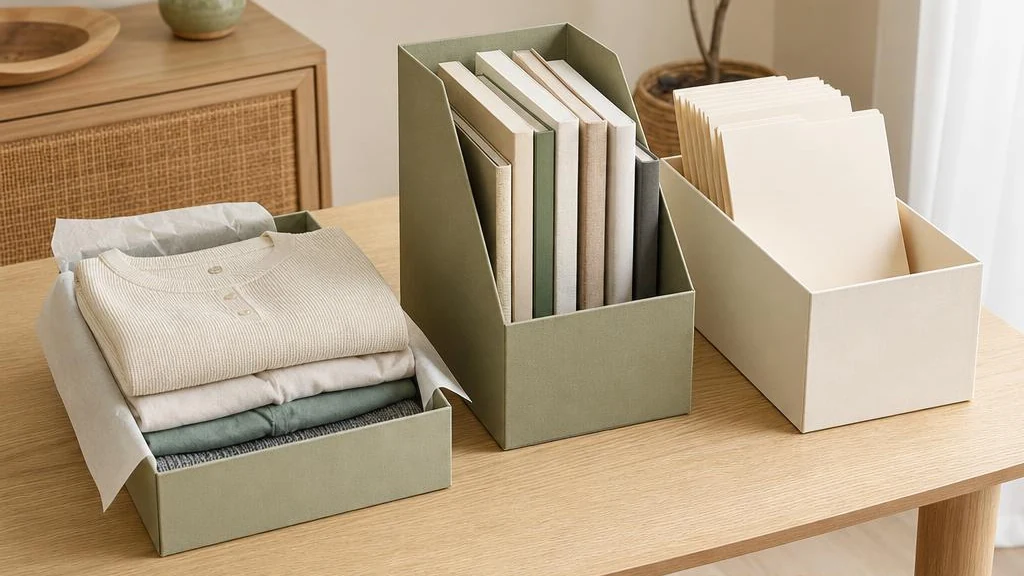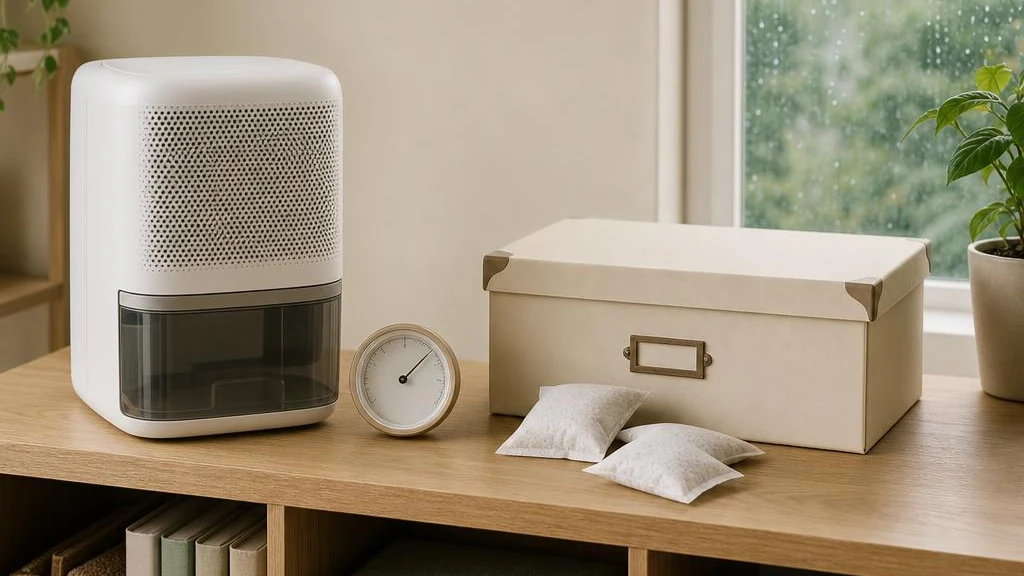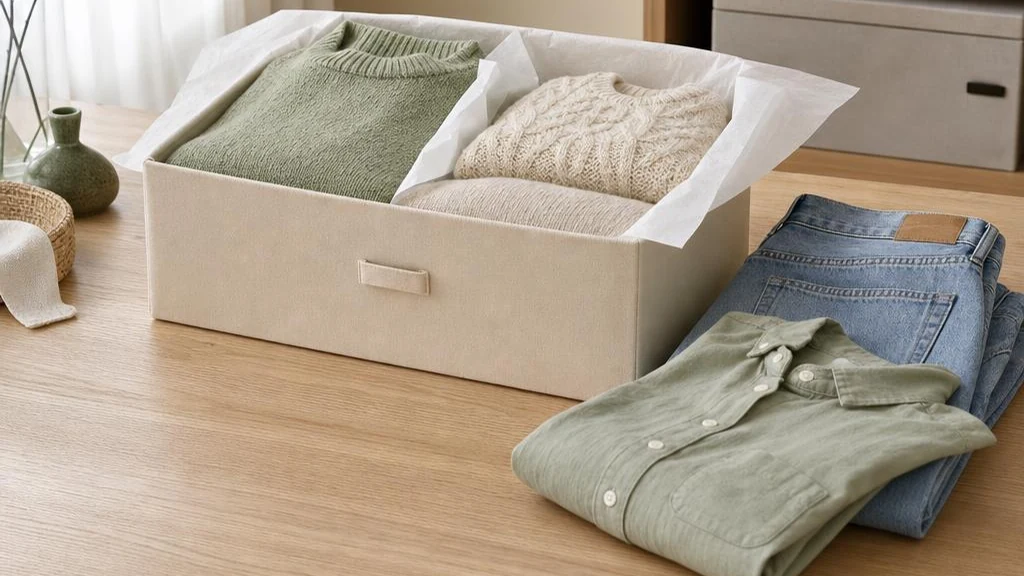
From washing, folding, to packing sequence, to ensure clothes stay in good condition when retrieved next season.
Short answer
Seasonal clothing should be cleaned according to wash labels, confirmed to be completely dry, then classified by material, folded appropriately, and stored in suitable containers. Knitted items, down jackets, leather, and decorated clothing should not be vacuum-compressed; the key to preventing wrinkles and mould is to reduce pressure, avoid trapping moisture, and maintain a retrievable list of box numbers.
Key summary
- Seal boxes only after cleaning and ensuring they are thoroughly dry; desiccants cannot remedy damp clothing.
- Choose to fold, hang, or use protective packaging based on the material.
- Place heavy items at the bottom; avoid pressing items prone to wrinkling or deformation.
- Write a code on the outside of the box and keep a detailed clothing inventory list yourself.
1. Wash and completely dry
Clothes must be washed and completely dry before packing; residual moisture is the main cause of mildew.
2. Heavier items at the bottom
Put jeans and jackets at the bottom, shirts and knitwear on top to reduce creasing.
3. Label items in the box
Put a list on each box for easy identification when retrieved.
- Owner
- Season
- Key items
4. First, separate clothing to keep, clean, and discard
Empty and organize the wardrobe layer by layer, grouping by season, family member, and frequency of use. Clothing with lingering sweat, food stains, or odours should be treated first; appearing clean on the outside does not mean it is suitable for long-term sealing.
Clothing that needs mending or size verification should be separated; do not mix into already organized boxes. Coats meant for home use and items likely needed in the short term should be separated first to avoid needing to retrieve the entire box for just one piece of clothing when the weather changes.
5. What areas should be checked to ensure items are completely dry?
Collars, waistbands, thick seams, pockets, and multi-layered fabrics often take longer to dry than the surface. After washing, dry according to material-appropriate methods, then check thick areas; items that are still warm from ironing or tumble drying should be left to return to a suitable state before packaging.
Do not seal damp clothing directly in plastic bags, and do not rely on sachets or large amounts of desiccant to mask moisture. For leather, wool, or dry-clean-only items, handle according to labels and professional cleaning advice; do not wash everything just for the sake of a uniform procedure.
6. How do vacuum bags work with storage boxes?
Vacuum bags can reduce the volume of some compressible clothing, but they are not a guarantee against mould. Items prone to deformation, fluffy items, leather, items with hard decorations, or special coatings should be checked against product guidelines; excessive compression may leave creases or affect the shape.
Ensure the lid closes properly when packing; avoid forcing zippers or stacking heavy trousers or thick coats on delicate clothing. Do not use the lid's ability to support an adult's weight as a test; box capacity and handling weight must still be confirmed against service specifications.
7. Check after retrieval before putting back into the wardrobe
Create a list of "Box Number, Owner, Season, Main Clothing Items," without needing to write full personal details on the outside of the box. When batch retrieval is needed, check the box number and date; frequently used items can be put in a separate box so you don't need to sift through all of them.
Check for moisture, odours, mould spots, and discoloration after retrieval, and organize according to washing labels before use. If mould is found, separate from clean clothing and seek appropriate treatment based on the material; do not simply spray perfume or reseal.
Comparison at a glance
| Clothing Category | Packing Method | Things to Avoid |
|---|---|---|
| Cotton and General Clothing | Clean and dry according to labels, fold according to retrieval order | Overfilling the box and mixing with damp items |
| Knits and Wool | Handle according to labels, fold lightly, and minimize heavy pressure | Stretching or stuffing tightly for long periods causing deformation |
| Down and Fluffy Clothing | Leave appropriate space according to manufacturer guidelines | Long-term strong compression without confirmation |
| Leather and Special Finishes | Follow specialized care methods, consult professionals if necessary | Applying general washing and sealing methods |
FAQs
- Can clean clothing be stored without further treatment?
- Check for stains, odours, and moisture first, then decide whether cleaning is needed based on wash labels. Any clothing still containing moisture should not be sealed long-term.
- Are all winter clothes suitable for vacuum bags?
- No. Down, leather, easily deformed knits, and items with special finishes may not be suitable for long-term strong compression; follow the guidelines for the clothing and the storage product.
- Will adding a few extra desiccants guarantee no mould?
- No. Desiccants have capacity and usage limits; they cannot replace the need for items to be thoroughly dry, proper packaging, and environmental management, nor can they be used as a treatment for mouldy clothing.
Further reading
The content of this article is for general reference only. Please determine actual arrangements based on item condition and the latest official guidelines.
Need to arrange storage for your items?
Tell us the item types and quantity, and we will help estimate the space and collection/delivery arrangements