Before moving large items into storage, handle cleaning, packaging, disassembly labelling, and safety matters first.
Short answer
Before long-term storage of furniture and appliances, confirm material and manufacturer requirements, complete cleaning, drainage, and drying, then record disassembly and condition, and choose appropriate protective packaging. Do not wrap wood, fabric, leather, glass, and appliances with cling film; large items also require assessment for safe moving, support, and restart arrangements.
Key summary
- Pack only after drying; scratch protection does not mean moisture can be trapped.
- Take photos before disassembly; label screws and accessories according to the item.
- Drain, secure, and transport refrigerators and washing machines according to model.
- Specialized disassembly/reassembly and professional moving may not be included in general service.
1. Clean and dry wooden and fabric furniture first
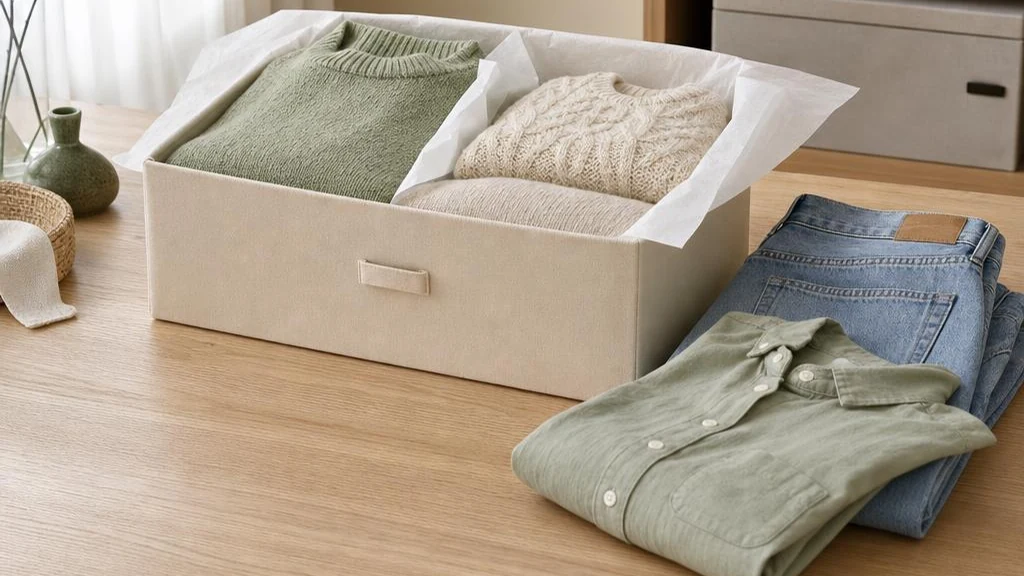
Clean dust off wooden furniture and keep it dry, avoiding trapping moisture inside the packaging. If fabric sofas and mattresses need cleaning, allow sufficient time for them to dry completely.
Packaging must consider both anti-scratch needs and material properties; it is best not to keep plastic film tightly pressed against all surfaces for long periods. Refer to the manufacturer's maintenance advice for leather, solid wood, and special coatings.
2. Keep records for disassembly, screws, and accessories
Take photos before disassembling furniture and label the accessories for each piece. Screws can be placed in separate small bags, labelled with the corresponding furniture name, to avoid being unable to reassemble them after retrieval.
Glass, mirrors, and fragile components should be explained separately so the team can assess protection methods. Do not attempt to remove structures that pose safety risks or that you are unfamiliar with.
3. Drain appliances, dry them, and keep user manuals
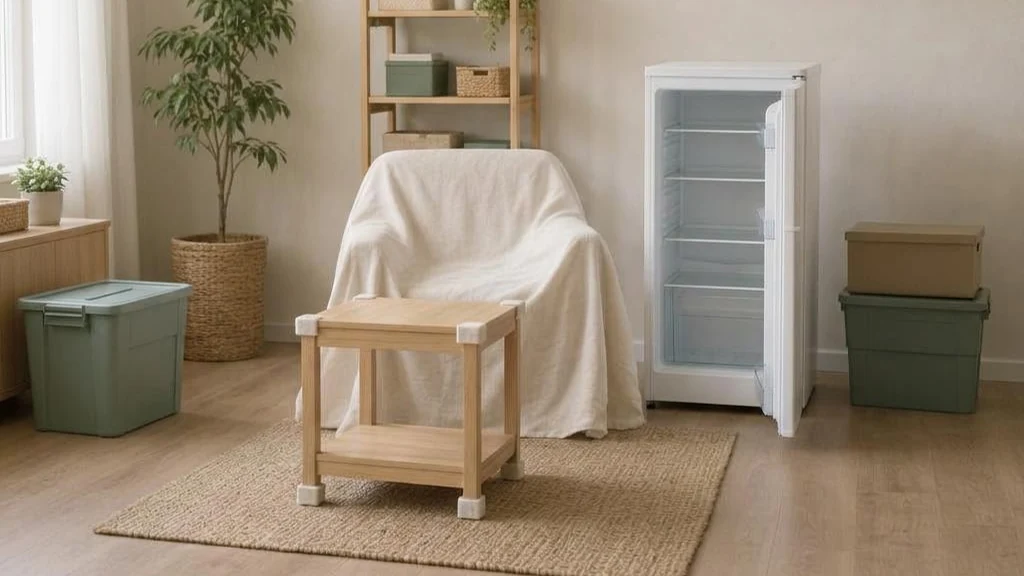
Before moving refrigerators, washing machines, etc., into storage, clean them according to the manufacturer's instructions, drain any residual water, and dry them thoroughly. Moving orientation, fixing methods, and re-enablement requirements should also follow product guidelines.
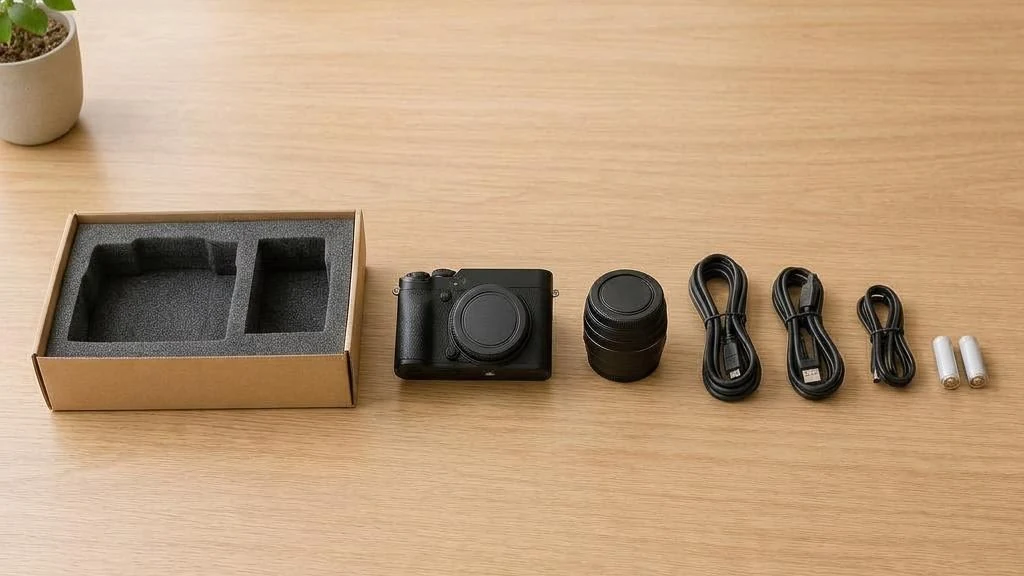
Power cords and accessories should be packed in separate bags to avoid pulling or crushing plugs. Clarify early whether large appliances require professional disconnection; do not assume standard moving covers these steps.
4. Confirm whether batteries and abnormal electrical appliances can be accepted
Batteries that can be safely removed should be handled separately according to product instructions; do not attempt to pry out built-in batteries. You must confirm with customer service whether lithium batteries, charging devices, or special equipment can be stored.
Do not treat batteries or appliances that have been exposed to water, are swollen, leaking, abnormally hot, or damaged as regular items to be packed. Seek appropriate professional handling methods first.
5. Wood, leather, and fabric cannot all be packaged the same way
Check the surface condition of wooden items and special coatings first, avoiding placing adhesive or abrasive materials directly against them. Ensure moisture is fully dried from fabric items and mattresses after cleaning. A surface that feels dry to the touch does not mean the inside of thick padding or seams is dry.
Handle leather, solid wood, and special finishes according to the manufacturer's care recommendations; consult a professional if necessary. Do not wrap too tightly to prevent scratches, and avoid spraying fragrances, anti-mould sprays, or unknown cleaning products directly onto any materials.
6. Keep disassembly records to ensure easy reassembly later.
Photograph the front, back, joints, and existing scratches before disassembly, and label panels by object number. Pack screws, washers, and small removable parts into small bags labeled with codes, and record the location of these bags on an inventory list; do not apply adhesive tape directly to delicate surfaces.
Do not dismantle wall mounts, load-bearing structures, electrical components, or unfamiliar connections yourself; glass and stone items require special assessment first. Clarify whether disassembly services and packing are provided in advance; do not assume all furniture can be dismantled as part of standard pickup and delivery.
7. Handle residual water, fixings, and piping in home appliances first.
Clean and defrost refrigerators according to the manufacturer's procedures, and drain residual water and handle piping for washing machines as instructed. Do not assume the interior is dry just because there are no water droplets on the exterior; pre-arrange suitable personnel for items requiring professional disconnection/connection.
Some equipment requires specific fixings or orientations for transport; retain original instructions and specify the model. Tidy up power cables and hoses without excessive bending, and pack accessories in labeled bags to avoid losing them by tucking them into unknown spots before reinstallation.
8. Inspections after long-term storage and retrieval.
Specify stacking limitations for items that cannot support weight, are prone to deformation, or have delicate surfaces. Sofa armrests, glass tops, or mattresses should not have heavy items placed on them to save space; actual placement must be determined by material, structure, and moving arrangements.
Check packaging, corners, joints, and signs of residual water after retrieval before reassembling or powering on according to product guidelines. Do not assign a universal startup wait time for all fridges or appliances; seek professional assessment if there is damage, abnormal odours, water ingress, or battery issues.
Comparison at a glance
| Item | What to do first | Need separate confirmation |
|---|---|---|
| Wooden Furniture and Leather | Clean and dry, protect surface and corners | Special coatings and packaging compatibility |
| Fabric and Mattresses | Clean and ensure inside and out are dry | Support method and long-term placement orientation |
| Glass and Mirrors | Record dimensions, protect separately | Whether special packaging and moving are needed |
| Refrigerators and Washing Machines | Clean, drain, and secure according to manufacturer guidelines | Disassembly/reassembly, transport orientation, and restart requirements |
FAQs
- Can mattresses or sofas be stored on the same day after cleaning?
- Do not judge based on the calendar alone. Ensure thick padding and internal layers are completely dry, as required time varies by material and cleaning method; it is not advisable to store items in sealed conditions if not thoroughly dry.
- Can refrigerators and washing machines be moved just by unplugging them?
- No. You must also handle cleaning, defrosting, drainage, securing, and piping according to product instructions; pre-confirm arrangements for items involving professional disconnection/connection.
- Is dismantlable furniture always more space-efficient for storage?
- It may reduce volume, but involves disassembly risks, packaging, structural support, and labour, and some structures are not suitable for repeated dismantling. Evaluate based on the object and the total cost.
Further reading
The content of this article is for general reference only. Please determine actual arrangements based on item condition and the latest official guidelines.
Need to arrange storage for your items?
Tell us the item types and quantity, and we will help estimate the space and collection/delivery arrangements