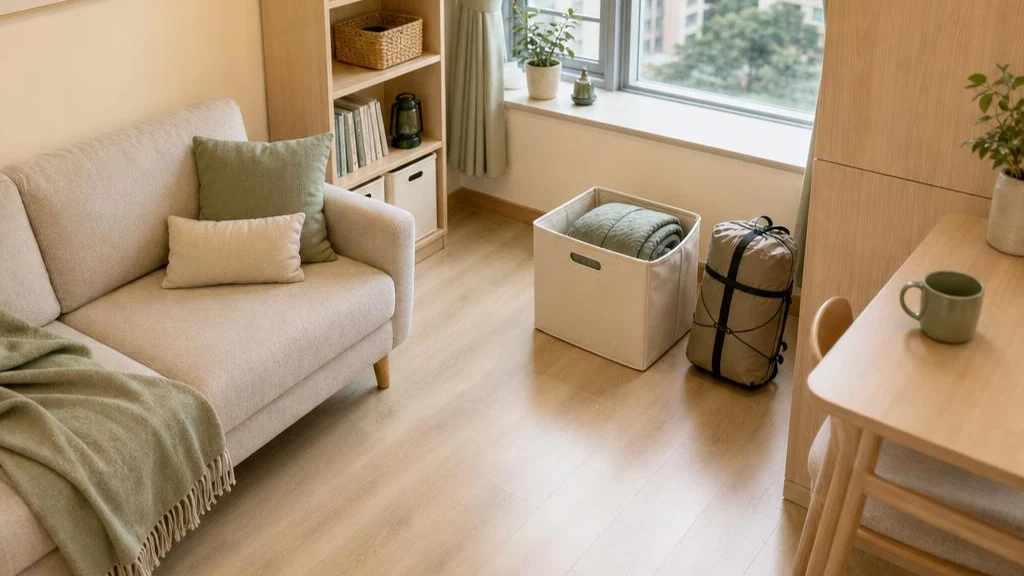
Moving infrequently used items out of your home will instantly make your living space feel more spacious.
Short answer
For small-unit storage, prioritize by frequency of use: items used daily or weekly should be kept in easily accessible positions; reassess items used seasonally, for festivals, or with low usage frequency for off-site storage. Door-to-door boxes should prioritize dry, compliant, and safely packable small items; it is not about moving all clutter, but ensuring every retained item has a clear purpose and place.
Key summary
- Clear out items you are not keeping first, then decide how many boxes are needed.
- Process into three groups: frequently used, rarely used, and to be decided.
- Index by box number and theme to reduce repeat retrievals.
- Keep valuables, identification, and emergency supplies with you.
1. Less than three times a year
Holiday decorations, camping gear and old photo albums are ideal candidates.
2. Children's growing items
Baby products and toys that are temporarily out of use but you wish to keep.
3. Regular review
Review the items in your boxes every six months to decide whether to retrieve or dispose of them.
4. Start from one location, avoid unpacking the whole house at once
Pick one wardrobe shelf or living room corner first; sort items into: keep/use, off-site storage candidates, donate/recycle, and to be decided. Set a review date for the 'to be decided' group, rather than stuffing them into another unlabelled bag.
Reducing duplicates and unnecessary items before estimating storage capacity avoids paying for items you never intended to keep. Donations, recycling, or disposal should be handled according to item nature and suitable channels; do not mix dangerous or damaged equipment into general recycling.
5. Use life scenarios to select candidates for off-site storage
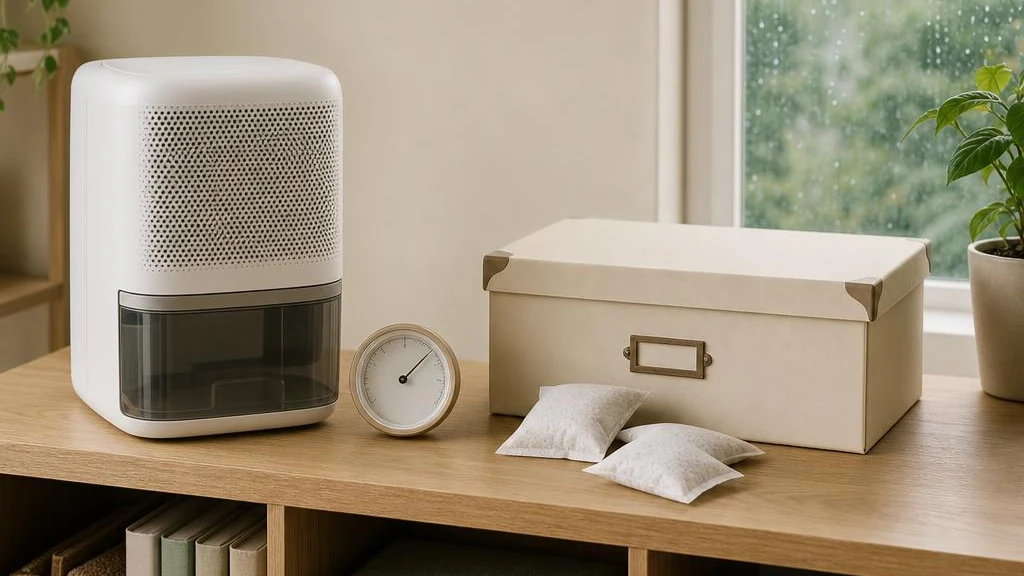
Thick winter clothing, festive decorations, short-term travel gear, and cleaned/dried hobby items can be listed as candidates. Check camping bags for fuel, food, sprays, or undried gear; do not assume the whole bag can be stored directly.
For children's items, first confirm they still meet safety requirements; items that are damaged, expired, or unsuitable should not be kept just for sentimental reasons. Preservation of keepsakes should also consider material and cleaning, not just volume.
6. One theme per box is easier to retrieve than a box of miscellaneous items
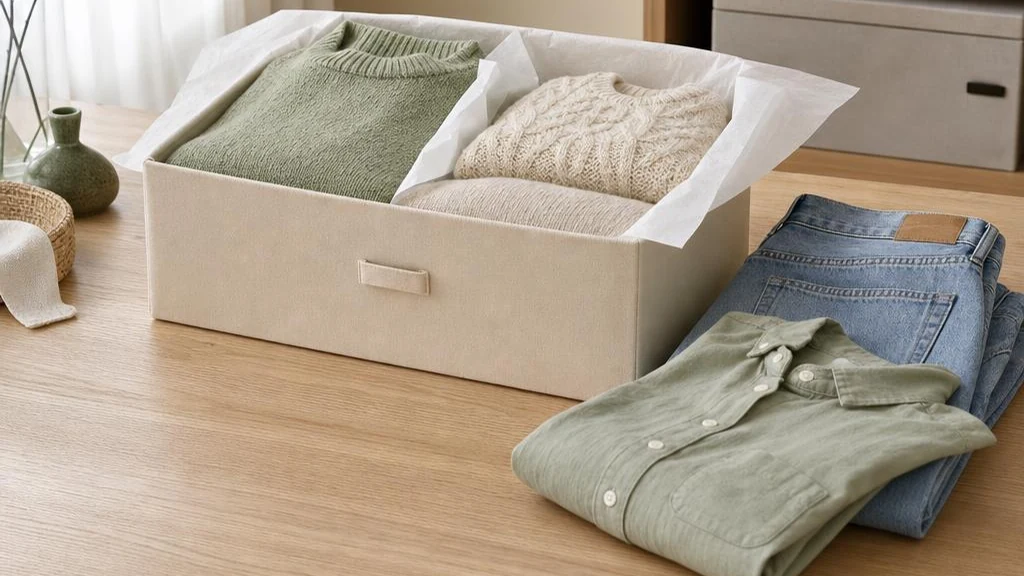
Categorize by use such as 'Winter clothes,' 'Festive decorations,' 'Photo albums'; mark a code on the box and list contents and photos in a private inventory. If a theme is too heavy, divide into multiple boxes and number them sequentially; do not exceed weight limits just to keep a theme together.
Put items potentially needed in the short term in a separate box and record the estimated retrieval date in your calendar. Door-to-door storage retrieval requires an appointment; it cannot be treated as a drawer in your home that can be opened at any time; factor this difference into your categorization.
7. How to know if storage arrangements are truly effective?
After finishing, check if pathways are clear, if frequently used items are easy to get to, and if you can find indices without opening boxes. Don't judge by photos looking neat, and don't stack items in a way that blocks exits or makes moving unsafe.
Review the storage inventory and actual usage when changing seasons or life needs. Frequently retrieved items can be kept back at home; long-term unneeded items should have their retention decided again, adjusting off-site storage capacity to match needs.
FAQs
- Is it better to just throw away anything not used for six months?
- Do not adopt a one-size-fits-all approach. Festive items, backups, and keepsakes serve different purposes; decide based on safety, difficulty of replacement, preservation conditions, and actual need, rather than just by time.
- Can camping gear be put directly into a mini box?
- Spread out to check; remove fuel, food, and items not accepted; categorize after cleaning and drying; check service restrictions for special items.
- Can a mini box replace a daily-use locker?
- Door-to-door storage requires appointments for collection and retrieval; do not assume you can open boxes for items at any time. Keep daily essentials and emergency supplies at home.
Further reading
The content of this article is for general reference only. Please determine actual arrangements based on item condition and the latest official guidelines.
Need to arrange storage for your items?
Tell us the item types and quantity, and we will help estimate the space and collection/delivery arrangements