
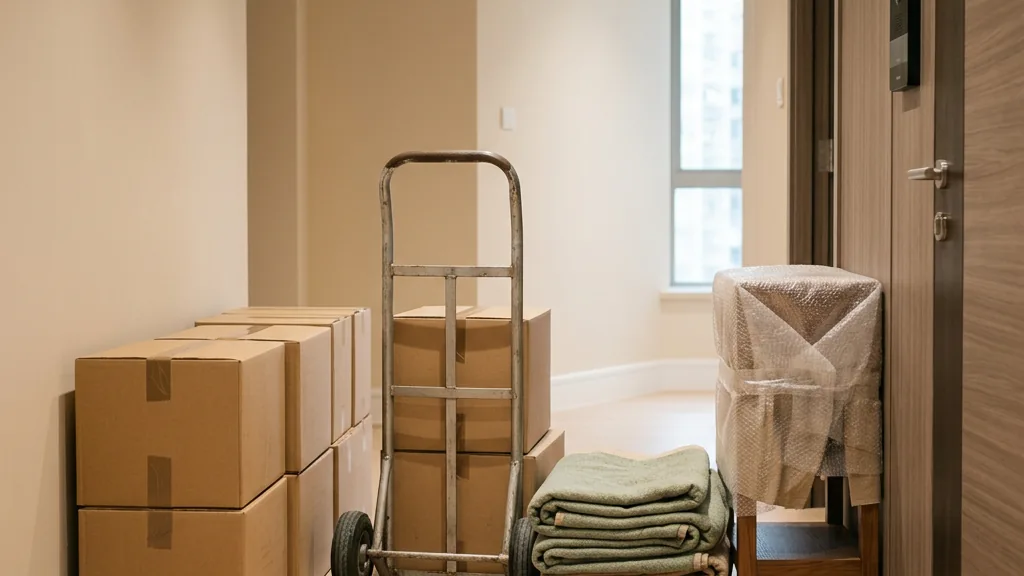
Plan your move by decluttering first, then organizing and labeling items before storing. For fragile or valuable items, consult preservation professionals instead of performing DIY repairs.
In an urban environment like Hong Kong, moving is a tedious and time-consuming task. The emergence of self-storage has provided us with a flexible storage solution, making moving more convenient. However, how to effectively use self-storage to simplify the moving process is a subject in itself. This article will share some practical moving tips to help you better cope with moving challenges.
Advance Planning and Cleaning
Planning before moving is crucial. First, you can start clearing out items you don't need a few weeks in advance. This not only reduces the burden of moving but also allows you to know more clearly how many items need to be stored. You can follow the principle of "keep, discard, store" to divide items into three categories: those you need to keep, those you can discard, and those you can put into self-storage. This way, you can pack and move more efficiently on the day of moving.
Choosing the Right Self-Storage
Choosing the right self-storage is key to moving. Select the right warehouse size based on the quantity and size of your items. Many self-storage facilities offer various area options, from small cabinets to large storage rooms. In addition, consider the geographical location of the warehouse; choosing self-storage close to your new home or workplace can save time and costs for transportation.
Packing Tips
Packing is one of the most time-consuming parts of the moving process. Here are some packing tips:
1. Categorized Packing: Categorize based on item types, such as books, clothing, kitchenware, etc. Keep similar items together for easy moving and storage.
2. Mark the Boxes: Mark the content and destination on each box. This way, when moving into a new home, you can quickly find the required items, avoiding wasted time searching.
3. Use Gaps: When packing, fully utilize the gaps in each box. For example, fill clothes between bowls and dishes, or put small items inside large items to save space.
Choose appropriate packing materials: Use sturdy containers and suitable protective padding to minimize the risk of impact during transport.
Transport and Storage
During transportation, you can choose to move it yourself or seek help from a professional moving company. If you choose to move it yourself, it is recommended to invite friends to help. Dividing the work can improve efficiency. Using tools such as hand trucks or moving straps can also reduce physical exertion.
After transporting items to the facility, arrange them by frequency of use and ensure all boxes are stacked securely and vertically.
Find Professional Team Help
If you feel that the workload during the moving process is too large, or if you are confused about how to pack and transport effectively, finding a professional moving team is a good choice. A professional team has experienced movers who can provide you with one-stop service from packing to moving, ensuring that items are transported to the self-storage facility or your new home safely and efficiently. In addition, the professional team can also provide advice and suggestions to help you better plan the moving process.
Moving is a process that requires careful planning and execution, and self-storage provides us with flexible storage choices. Through reasonable planning, effective packing tips, and reasonable transport arrangements, you can simplify the moving process and reduce stress. If you encounter difficulties, seeking the help of a professional team will make your moving journey more relaxed and pleasant. Hope these tips can help you complete the move smoothly and enjoy the wonderful life brought by your new home!
One Plus One Storage Service
One Plus One Storage provides professional self-storage services, dedicated to offering citizens flexible, convenient, and reasonably priced storage solutions. We deeply understand the issues of land supply shortages in Hong Kong's urbanization process and the current situation where changing work patterns have led to an increasing need for home space among citizens. Therefore, we established One Plus One Storage to respond to these growing demands.
Our self-storage units cover a variety of sizes; whether customers need small storage space for personal items or large storage space to store company documents or furniture, we can provide suitable solutions. In addition, our pricing is fair and transparent, and we provide flexible lease terms. Whether it is a long-term or short-term lease, customers can flexibly choose according to their needs.
Welcome to request a quote or inquire: Click to contact us on WhatsApp
- Address: Room 16-17, 9/F, Nan Fung Commercial Centre, 19 Lok Yip Road, Kowloon Bay
- Tel: 3188 1889
- WhatsApp: 6928 9628
- Email:enquiry@opostorage.com
Feel free to contact us anytime, and let us provide you with professional self-storage services!
Practical storage and planning
- Organize items into categories and use protective packing materials.
- Select an appropriate storage unit and arrange items by accessibility.
- Stack boxes securely to maintain stability during storage.
Frequently asked questions
How should I store delicate items like paintings or photographs?
Consult with preservation professionals to identify suitable archival materials and storage conditions to prevent damage.
How can I evaluate if a storage facility is appropriate for my items?
Check the facility's cleanliness and ventilation; for items with specific needs, consult a storage or conservation specialist.
Further reading: US National Archives guidance on storing papers and photographs; Canadian Conservation Institute guidance by material