
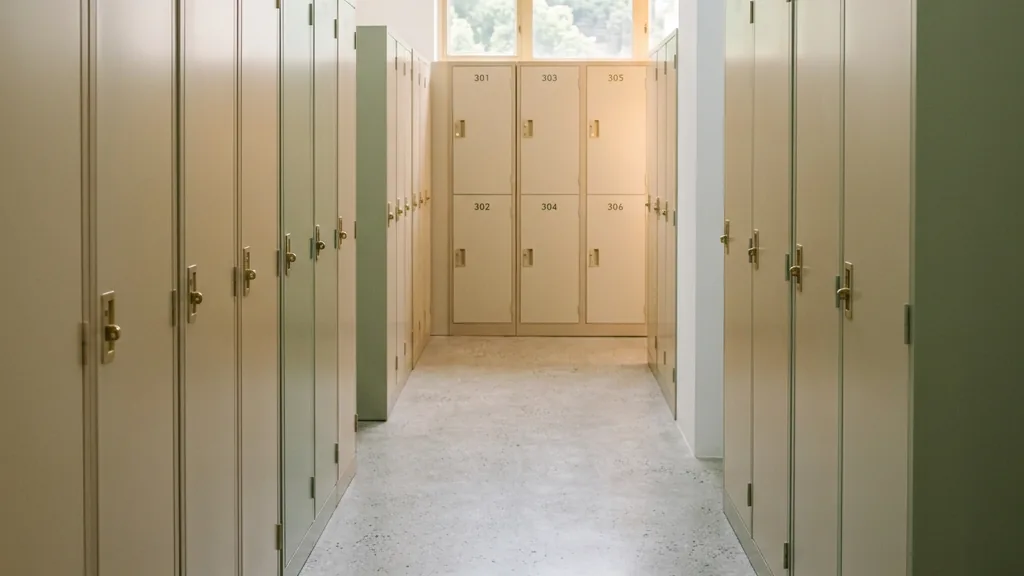
Effectively use mini-storage by planning space, using appropriate containers for packing, and categorizing items. Regularly check stored goods and keep aisles clear; consult professionals for preservation needs.
In modern life, the limitation of space makes many people face challenges with storage difficulties. As a flexible storage solution, mini-storage is receiving widespread attention. Whether it is moving, traveling, or storing seasonal items, mini-storage provides a convenient choice. However, how to properly utilize mini-storage to fully realize its effectiveness is a subject to be learned. This article introduces some effective techniques to help you make better use of mini-storage.
Understand the Characteristics of Mini-Storage
Before using mini-storage, first understand its characteristics. Mini-storage typically provides flexible rental periods and diverse storage spaces, ranging from small units to large warehouses. This allows users to choose the appropriate space according to their own needs. Additionally, most mini-storage facilities are equipped with advanced security facilities, such as surveillance cameras and access control systems, providing good protection for your items.
Develop a Storage Plan
Before placing items into mini-storage, it is very important to develop a clear storage plan. First, list the items you need to store and categorize them based on the nature and frequency of use of the items. For example, daily items can be placed in easily accessible locations, while infrequently used items can be placed further back. This way, you can quickly find the items you need when required, saving time and energy.
Pack Items Properly
Packing is a key step in properly utilizing mini-storage. Choose appropriate packaging materials, such as boxes, plastic bags, and foam materials, to protect fragile items. When packing, mark the contents of each box to facilitate future access. At the same time, avoid mixing heavy and light items in the same box, which can reduce transport difficulties. Additionally, to save space, you can consider disassembling some large furniture and storing them separately.
Manage Space Usage
In mini-storage, space management is crucial. First, making reasonable use of vertical space is an effective way to improve storage efficiency. When stacking boxes, heavy items should be placed at the bottom, light items on top, and kept stable. At the same time, try to use transparent storage boxes so you can clearly see the internal items, avoiding unnecessary searching. Additionally, keep pathways clear for easy entry and exit, which is particularly important for high-frequency items.
Regular Inspection and Maintenance
Regular inspection of items in mini-storage is necessary. It is recommended to perform routine checks to ensure items remain in their stored condition. If concerns arise, consult relevant storage guidance. Additionally, adjust stored items according to seasonal changes, clear out unneeded items, and keep the mini-storage unit clean and orderly.
Seek Help from a Professional Team
If you are confused about how to properly use mini-storage, or wish to obtain more professional advice, seeking help from a professional team is a wise choice. Many mini-storage companies provide professional storage consulting services and can provide customized solutions based on your needs. A professional team can help you develop a storage plan, pack items, and even provide moving services, making your storage process easier.
Properly utilizing mini-storage not only improves space utilization but also brings convenience to your life. By understanding the characteristics of mini-storage, developing a storage plan, packing items properly, managing space, regular inspections, and seeking professional help, you can fully realize the effectiveness of mini-storage and make storage more efficient and convenient. I hope the techniques provided in this article can help you make better use of mini-storage in your daily life to achieve ideal storage results.
One Plus One Storage Services
One Plus One Storage provides professional mini-storage services, dedicated to offering citizens flexible, convenient, and reasonably priced storage solutions. We deeply understand the issues of land supply shortages during Hong Kong's urbanization process, and the current situation where changing work patterns have led to an increasing demand for residential space among citizens. Therefore, we established One Plus One Storage to respond to these growing demands.
Our mini-storage units come in various sizes; whether customers need small storage spaces for personal items, or large storage spaces to store company files or furniture, we can provide suitable solutions. Additionally, our pricing is fair and transparent, and we offer flexible rental periods, allowing customers to choose flexibly based on their own needs, whether for long or short-term rental.
Welcome to request a quote or inquire: Click to contact us via WhatsApp
- Address: Room 16-17, 9/F, Nan Fung Commercial Centre, 19 Lam Lok Street, Kowloon Bay
- Phone: 3188 1889
- WhatsApp: 6928 9628
- Email:enquiry@opostorage.com
Feel free to contact us anytime, and let us provide you with professional mini-storage services!
Practical storage and planning
- Create an inventory list and categorize items by usage frequency.
- Pack items in appropriate containers and clearly label each box.
- Arrange items logically to ensure aisle access and space organization.
Frequently asked questions
How can I prevent clutter in a storage unit?
Prioritize using uniform boxes with clear labels, and place infrequently used items at the back or on higher shelves to maintain clear pathways.
What should I do if items in the unit seem to be deteriorating?
Perform regular inspections and maintain proper airflow; if you identify damaged or sensitive items, consult a professional preservation expert for assistance.
Further reading: US National Archives guidance on storing papers and photographs; Canadian Conservation Institute guidance by material