
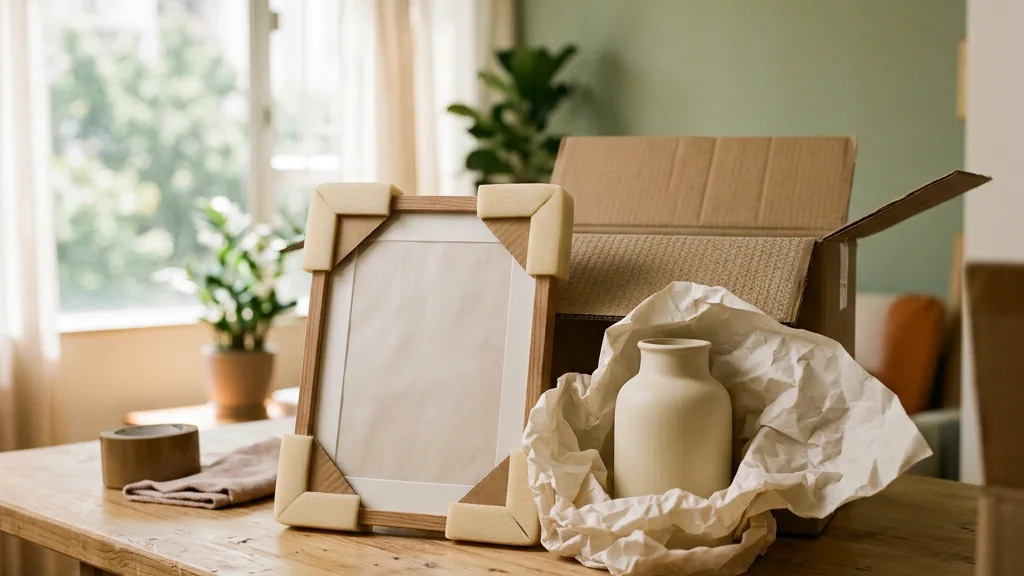
When storing artworks, prioritize facility security and stable environmental conditions. Use appropriate archival-quality packaging materials, store items in positions that avoid stress, and consult professional conservators for any signs of damage.
For art collectors, how to properly store and protect their precious artworks is an important issue. With the popularity of self-storage, more and more people choose to store artworks in self-storage units. However, how to properly store precious artworks in a self-storage unit to ensure their safety and maintain their quality? Next, we will provide a comprehensive guide to help you solve this problem.
Choosing a suitable self-storage unit
Choosing a suitable self-storage unit for art storage is a key step. First, you need to ensure that the chosen self-storage unit has the following characteristics:
Environmental conditions: As oil paintings and wood carvings are sensitive to environmental changes, choose a self-storage facility with active environmental management to mitigate risks.
Cleaning: Dust and pollutants may damage the surface of the artwork, so you need to ensure that the chosen self-storage unit has sufficient cleaning measures, such as regular cleaning and maintenance.
Security: Artworks often have high value, so you need to choose a self-storage unit with good anti-theft measures, such as a 24-hour monitoring system, specialized security personnel, and a specialized access control system.
Packaging and transporting artworks
Before putting artworks into the self-storage unit, you need to properly package and transport the artworks to prevent damage during transportation. Below are some basic packaging and transportation suggestions:
Paintings: Paintings should be wrapped with protective paper or bubble wrap and placed in cardboard or wooden picture frames. If the painting is large, you need to use a specialized artwork transport box.
Sculptures: Sculptures should be wrapped with cushioning materials (such as cotton cloth or bubble wrap) and placed in sturdy boxes. If the sculpture is heavy, you need to use a specialized artwork transport vehicle.
Ceramics: Ceramics should be wrapped with bubble wrap and placed in boxes filled with cushioning materials (such as styrofoam). If the ceramic is very fragile, you need to use a specialized artwork transport box.
Storing and managing artworks
Storing and managing artworks in a self-storage unit requires special attention. Below are some basic storage and management suggestions:
Avoid direct sunlight: Direct sunlight may cause the color of the artwork to fade or deteriorate, so artworks should be stored in a place that is not directly exposed to sunlight.
Proper placement method: Different types of artworks require different placement methods. For example, paintings should be hung vertically or placed flat, and ensured not to be squeezed or collided; sculptures should be placed on a sturdy shelf and prevented from collapsing or tipping over.
Regular inspection: Regularly check stored artworks for any signs of deterioration. If issues are found, refrain from DIY fixes and contact a professional conservator for assistance.
Self-storage丨Insurance
No matter how properly you store and manage your artworks, there are always some unforeseeable risks, such as fire, flood, or theft, so it is very important to purchase appropriate insurance for your artworks. You should talk to a specialized art insurance company or insurance broker to see what kind of insurance solutions they can provide.
In general, choosing and managing a self-storage unit suitable for storing artworks requires certain knowledge and skills. Hopefully, this guide can help you better protect your precious artworks.
One Plus One Storage Services
One Plus One Storage provides professional storage services, dedicated to providing citizens with flexible, convenient, and reasonably priced storage solutions. We have an in-depth understanding of the land supply shortage in Hong Kong's urbanization process, as well as the status quo of increasing demand for home space due to changing work patterns. Therefore, we established One Plus One Storage to respond to these growing needs.
Our storage units cover a variety of sizes; whether customers need small storage space to keep personal items, or large storage space to store company documents or furniture, we can provide suitable solutions. In addition, our pricing is fair and transparent, and we provide flexible lease terms; whether for short-term or long-term leasing, customers can flexibly choose according to their own needs.
Welcome to request a quote or inquiry: Click here to contact us via WhatsApp
- Address: Room 16-17, 9/F, Nan Fung Commercial Centre, 19 Lam Lok Street, Kowloon Bay
- Tel: 3188 1889
- WhatsApp: 6928 9628
Feel free to contact us at any time, and let us provide you with professional storage service!
Practical storage and planning
- Assess the facility for security systems, cleanliness, and environmental management.
- Use acid-free materials to properly package and classify all your artworks.
- Place items on sturdy shelving and establish a regular visual inspection routine.
Frequently asked questions
How can I assess if a unit is suitable for art storage?
Conduct a site visit to check security, general cleanliness, and management standards; ask the operator about their insurance or risk protection policies.
What should I do if I find damage or mold on my art?
Do not attempt to clean or repair the item yourself. Contact a professional art conservator to assess and treat the issue properly.
Further reading: US National Archives guidance on storing papers and photographs; Canadian Conservation Institute guidance by material