
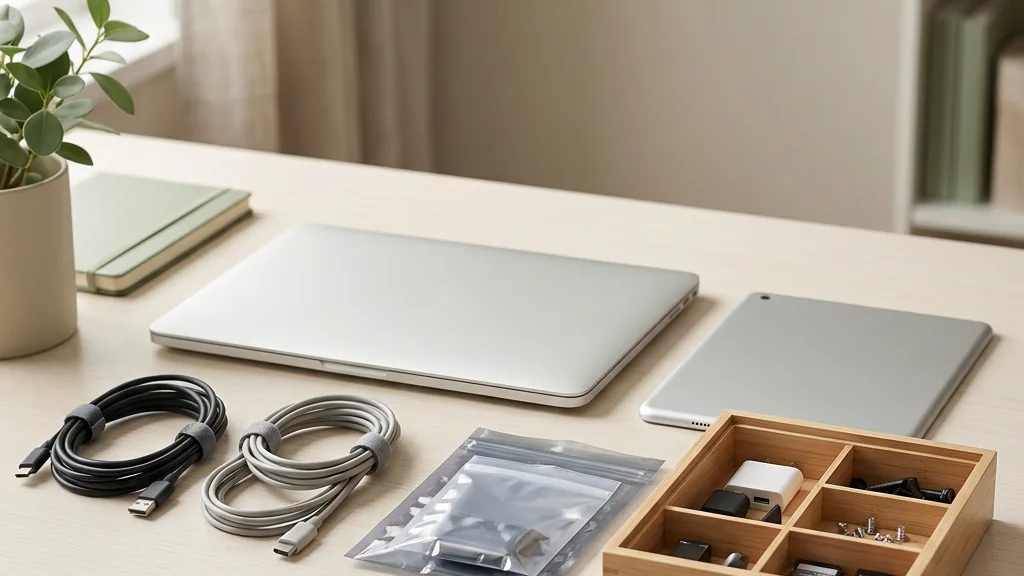
Appliances stored long-term are vulnerable to environmental damage. Always clean items and remove batteries before storage, and use airtight containers to block dust. Seek professional assistance for delicate items.
In Hong Kong, where every inch of land is precious, many families with limited home space are used to packing up seasonal appliances they are not currently using—such as winter heaters, vertical fans for summer, dehumidifiers, or rarely used coffee machines and air fryers—and sending them to mini storage for temporary safekeeping. However, after a few months or even years, when you excitedly bring the appliance home to restart it, you find it won't turn on, or upon opening the casing, you find it covered in mold, and corrosive liquid leaking from the battery compartment, ruining the entire circuit board. This painful experience of "paying rent for storage while the appliance destroys itself" is often heartbreaking and frustrating. What risks are hidden in long-term storage of idle appliances? What kind of cleaning and battery handling must you complete before storage to avoid this invisible trap?
Why Do Appliances Destroy Themselves in Mini Storage?
Many people believe that placing appliances indoors or in mini storage ensures they remain in good condition indefinitely. In reality, environmental moisture can lead to oxidation or metal corrosion. If appliances are not cleared of grease and dust before storage, they may be at higher risk. Evaluate whether valuable or complex appliances are suitable for long-term storage, and consult a professional if needed.
Could Your Appliance Become Scrap Metal Without This Step Before Storage?
To reduce risks during storage, thorough cleaning beforehand is important. Residual moisture, grease, or grime can impact the condition of the appliance. It is recommended to perform basic cleaning according to the manual before storage. If an item is already significantly damaged or is a precision instrument, please consider seeking a professional repair service.
Before sending items to mini storage, it is recommended to perform detailed cleaning according to the following steps:
✅ Complete Power Disconnection and External Dusting: Unplug all power cords and wipe off dust from the shell with a microfiber static cloth to prevent grime from solidifying over time.
✅ Internal Water Tank and Hose Air-drying: Remove and clean all water containers and filters, wipe them dry completely with a dry cloth, and place them in a ventilated area to air-dry for at least 48 hours to ensure internal moisture has fully evaporated.
✅ Cleaning Grease and Food Residue: For kitchen appliances, neutral detergent must be used to remove all grease stains to reduce the chance of attracting pests or breeding bacteria.
What Are the Severe Consequences of Not Removing Batteries?
Storing appliances with batteries inside carries potential risks. Deterioration of battery chemicals can damage internal contacts. To safeguard your device, remove dry batteries before storage. For devices with non-removable built-in lithium batteries, refer to the manufacturer's guidelines and store the equipment in a cool, dry place.
When the casing of an alkaline battery is slightly eroded or the voltage is unstable for a long time, highly corrosive chemical liquid will leak out. Once these leaked liquids come into contact with copper foil circuits or metal contacts inside the appliance, they will quickly trigger a chemical reaction, leading to short circuits or even damaging the equipment. Therefore, before sending any battery-powered equipment (such as wireless mice, electronic locks, small wireless appliances) into mini storage, be sure to dismantle and remove all batteries immediately and store them separately. If the device uses a lithium battery that cannot be easily removed, charge it to an appropriate level before storage and store it in a cool and dry environment to slow down the risk of battery aging and swelling.
What Is the Difference Between Traditional Clutter Stacking and Professional Mini Storage?
To help everyone better understand the difference between correct storage and casual stacking, we have organized the following practical comparison table regarding different storage methods and protective effects:
Storage Environment and Method 🏢 | Casual Stacking in Humid Home Corners ⚠️ | Professional Temperature-Controlled & Dehumidified Mini Storage 🛡️ |
Temperature and Humidity Control Capability | Environmental humidity fluctuates drastically with the weather, easily breeding mold and metal rusting | 24-hour central air conditioning and professional dehumidification, stabilizing humidity at a safe level |
Appliance Damage Risk | Dust accumulation, battery leakage go unnoticed, internal circuits easily corrode quietly | Regular ventilation and security monitoring, combined with proper cleaning and packaging, reducing damage chances |
Space Utilization and Cleanliness | Clutter stacked randomly occupies precious living space, reducing daily living comfort and quality | Ordered classification storage, releasing home movement flow, keeping living environments spacious and comfortable |
Through the comparison table above, it can be seen that relying on randomly finding a corner to place appliances is full of hidden dangers, while choosing a professional space with good environmental control, combined with thorough cleaning by yourself, is the long-term plan to protect the lifespan of home appliances.
Seeking Professional Team Assistance
Facing a wide range of idle appliances, if you find that you are busy with work daily and truly cannot spare the time to clean each one deeply, remove batteries, and package them properly, or if you are confused about selecting mini storage temperature/humidity control and environment, instead of worrying alone with the risk of appliances failing due to moisture, why not hand over the related storage planning and consulting work to our professional team. We possess rich local storage management experience in Hong Kong, are familiar with storage requirements and moisture-proofing details for various types of items, and can provide you with objective, practical, and thoughtful storage suggestions. When you hope to have your valuable appliance assets properly protected during temporary storage and easily release home space, our professional team is always ready to provide you with the most suitable support to help you smoothly handle all storage challenges.
Frequently Asked Questions (FAQ)
Q1: Do I need to wrap appliances with the styrofoam from the original box before putting them into mini storage?
A: It is not necessary to use original styrofoam, but it is recommended to use clean plastic storage bins or thick cardboard boxes to seal and package the appliances, and place an appropriate amount of desiccant inside the box, which can effectively block micro-dust and air humidity in the warehouse.
Q2: If an appliance has been in storage for half a year or so, what special things do I need to pay attention to before bringing it home?
A: When moving an appliance from a mini storage unit with a relatively stable environment back to a home with higher humidity, avoid plugging it in immediately. It should be placed in a ventilated area at room temperature for two to three hours to warm up. Wait until the condensation on the surface caused by temperature difference has completely evaporated before testing with power, to prevent short circuits.
Q3: Will rechargeable vacuums or fans left unused for a long time lose their battery functionality completely if stored in a mini storage?
A: It is possible. If a lithium battery remains in a completely dead or overcharged state for a long time, it will enter deep discharge and cannot be recharged again. Therefore, it is recommended to charge to about 50% level before storage, and regularly go to check or maintain charging (if conditions allow).
One Plus One Storage Services
One Plus One Storage provides professional mini storage services, dedicated to offering flexible, convenient, and reasonably priced storage solutions to the public. We deeply understand the issues of land supply shortages in Hong Kong's urbanization process, as well as the current reality where changing work models have led to an increasing need for home space among citizens. Therefore, we founded One Plus One Storage to respond to these growing demands.
Our mini storage units cover a variety of sizes; whether customers need small storage spaces for personal items or large storage spaces for corporate documents or furniture, we can provide suitable solutions. Furthermore, our pricing is fair and transparent, with flexible rental periods, allowing customers to choose flexibly based on their own needs, whether for long or short-term rental.
Welcome to request a quote or inquiry: Click here to contact us via WhatsApp
- Address: Room 16-17, 9/F, Nan Fung Commercial Centre, 19 Lam Lok Street, Kowloon Bay
- Telephone: 3188 1889
- WhatsApp: 6928 9628
- Email:enquiry@opostorage.com
Please feel free to contact us anytime, and let us provide you with professional mini storage services!
Practical storage and planning
- Disconnect power and wipe the exterior with a soft cloth.
- Ensure all internal water containers are empty and completely dried.
- Remove all dry batteries or charge built-in batteries to recommended levels.
Frequently asked questions
Should I use the original styrofoam for storage?
Original styrofoam is not required. Clean plastic storage bins are recommended, accompanied by appropriate desiccant to help regulate the humidity levels inside.
What should I do when retrieving stored appliances?
Avoid powering up immediately. Let the device reach room temperature in a ventilated area until surface condensation evaporates to prevent short circuits.
Further reading: US National Archives guidance on storing papers and photographs; Canadian Conservation Institute guidance by material