
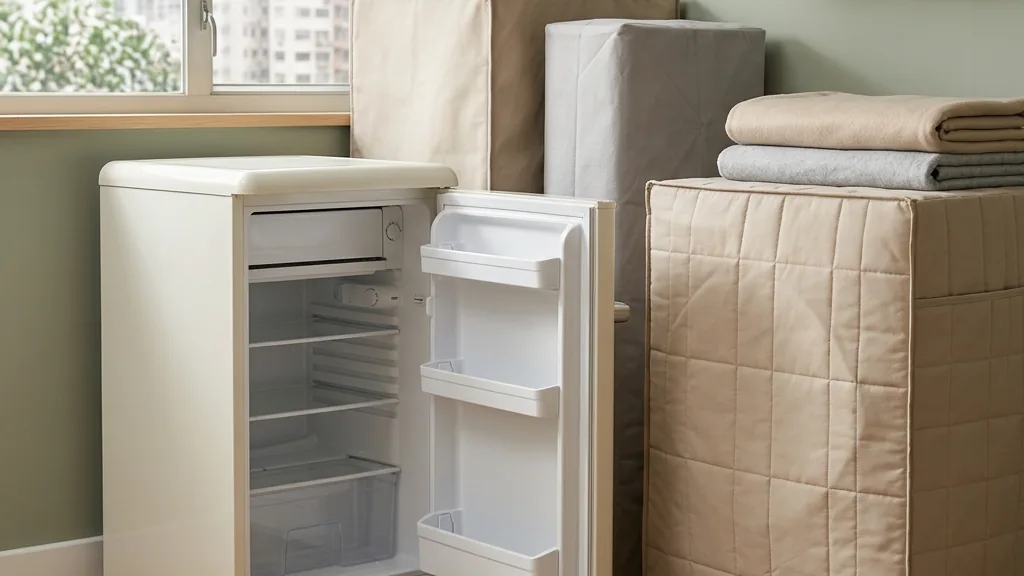
When storing seasonal appliances, clean external surfaces and ensure they are completely dry. Use breathable covers or original boxes for protection and store in a dry, well-ventilated area.
In Hong Kong, the climate has distinct four seasons but is moist and changeable. With the changing seasons, "seasonal appliances" in the living room and bedroom also need to take turns on and off the stage like migratory birds: when it is hot and humid in spring and summer, electric fans and dehumidifiers run day and night; when the winter cold wind blows, ceramic fan heaters or electric heaters become an indispensable salvation.
However, when summer is over, where should we store the bulky heaters? When the "return to humidity" (Nanbei) season ends, how should dehumidifiers be stored so that they do not grow mold inside? If you casually stuff these appliances into the storage room or under the bed, not only are they likely to occupy precious living space, but they may also go on "strike" directly when taken out next season due to dampness and dust accumulation.
How should seasonal home appliances be deep cleaned, moisture-proofed, and best placed during idle months? The following is a scientific storage practice guide for fans, heaters, and dehumidifiers for you.
Core Taboo: Don't "stuff it away immediately after use"
Many people, when the seasons change and they see that the weather is getting hot or cold, unplug the appliances, casually put a plastic bag on them, and push them into the storage cabinet. This is the number one culprit that leads to the shortened lifespan of appliances:
Residual dust and moisture: Components such as fan blades, dehumidifier water tanks, and heater grilles should be kept clean and dry to ensure proper hygiene in storage.
Mechanical maintenance: Leaving appliances with dust or moisture may lead to reduced performance over time; keeping them clean and dry is recommended before storage.
Practical Strategy for "Cleaning, Moisture-Proofing, and Placement" of Three Major Seasonal Appliances
Category 1: Electric Fans (Summer Stage Exit, Autumn Storage and Winter Hiding)
Cleaning: Clean the outer surfaces before storage. Dismantle removable parts for dusting, and ensure the motor area is kept dry and free of debris.
Moisture/Dust proofing tips: After cleaning and thoroughly air-drying, do not expose it directly to the air. It is recommended to wrap the entire fan with the original cardboard box or a dedicated breathable dust cover.
Best placement: It should be placed on the top of medium-to-high storage cabinets or above the wardrobe in a dry and ventilated place, avoiding corners near the floor or prone to dampness.
Category 2: Dehumidifiers (Dry Season Stage Exit)
Cleaning and drying: Before storage, empty the water tank of the dehumidifier and wipe it clean to minimize potential moisture issues.
Moisture/Dust proofing tips: Seal with the original box or a large thick plastic bag, and put a few packs of food-grade desiccant in the box.
Best placement: The dehumidifier has a compressor at the bottom, so avoid leaving it tilted or laying flat for a long time during storage. It must be kept in an upright position and placed on a flat floor or shelf that is relatively dry, ventilated, and without direct sunlight.
Cleaning: Heaters collect fine dust during use. Before storage, check the intake grilles and clear away any accumulated dust to maintain proper condition.
Cleaning points: Heaters (such as ceramic heaters, oil-filled radiators) will suck in a large amount of fine fibers and skin debris from the air when running in winter. Before storage, be sure to use a vacuum cleaner to suck away the dust on the air intake mesh and wipe it clean with a slightly damp cloth.
Moisture/Dust proofing tips: For oil-filled radiators, check for any minor oil leaks; for ceramic fan heaters, ensure the internal heating element is completely dry. Be sure to put on a dust cover to prevent dust from covering the heating element.
Best placement: Heaters are heavy (especially oil-filled types), so they should be placed on the bottom layer of a living room storage cabinet or a dedicated utility room that is easy to access, and avoid placing them on high shelves to prevent them from falling and causing injury during transport.
Cleverly make use of mini storage or home vertical space
In Hong Kong's cramped residential spaces, large seasonal appliances often occupy precious living paths:
Vertical space shifting: Store lightweight fans used in summer on top of wardrobes or on high shelves; pack bulky oil-filled radiators or multiple large-capacity dehumidifiers properly in boxes.
Use professional mini storage for diversion: If the home is really limited in space and cannot accommodate the huge appliances left over from the changing seasons, neatly pack the non-seasonal large appliances (e.g., large heaters in winter, standing fans in summer) and store them in a professional mini storage with climate-controlled (constant temperature and humidity) environment. This can not only release living space, but also ensure that electrical appliances safely pass the idle period in the most perfect temperature and humidity.
Find a professional team to assist
Although seasonal appliances can safely pass the idle period at home through thorough cleaning, air-drying, and proper boxing, if your home is already severely overcrowded, or you feel powerless to move heavy heaters and multiple dehumidifiers, it is often difficult to take care of moving and storage planning on your own. When you are dealing with seasonal appliance storage, clearing out storage rooms, or needing professional space planning and mini storage transfer support, our professional mini storage team is always ready to provide you with objective and efficient assistance. Relying on our rich practical experience and professional efficiency, we properly handle the seasonal transition of every household appliance for you, keeping your living space spacious, tidy, safe, and comfortable for a long time!
One Plus One Storage Services
One Plus One Storage has historically provided storage solutions. Please note that service details and terms are historical; contact the team for current information.
Our mini storage units cover a variety of sizes; whether customers need small storage space for personal items, or large storage space for storing company documents or furniture, we can provide suitable solutions. In addition, our pricing is fair and transparent, and we offer flexible lease terms; whether for long-term or short-term, customers can choose flexibly according to their own needs.
Welcome to request a quote or inquire: Click here to contact us on WhatsApp
- Address: Room 16-17, 9/F, Nan Fung Commercial Centre, 19 Lam Lok Street, Kowloon Bay
- Tel: 3188 1889
- WhatsApp: 6928 9628
- Email:enquiry@opostorage.com
Feel free to contact us anytime, let us provide you with professional mini storage
Practical storage and planning
- Disconnect power and use a dry cloth or vacuum to remove dust from surfaces and filters.
- Ensure the unit is thoroughly dry before protecting it with a breathable cover or storage box.
- Keep appliances in a stable, dry, and well-ventilated space, such as on a high shelf.
Frequently asked questions
What should I do if my appliance shows issues after storage?
Do not attempt DIY repairs. If there are loose parts, damaged cables, or odors, please contact the manufacturer or a professional technician.
Are professional storage units suitable for seasonal appliances?
Yes, especially if home space is limited. Professional facilities provide a stable environment that can reduce risks associated with domestic humidity.