
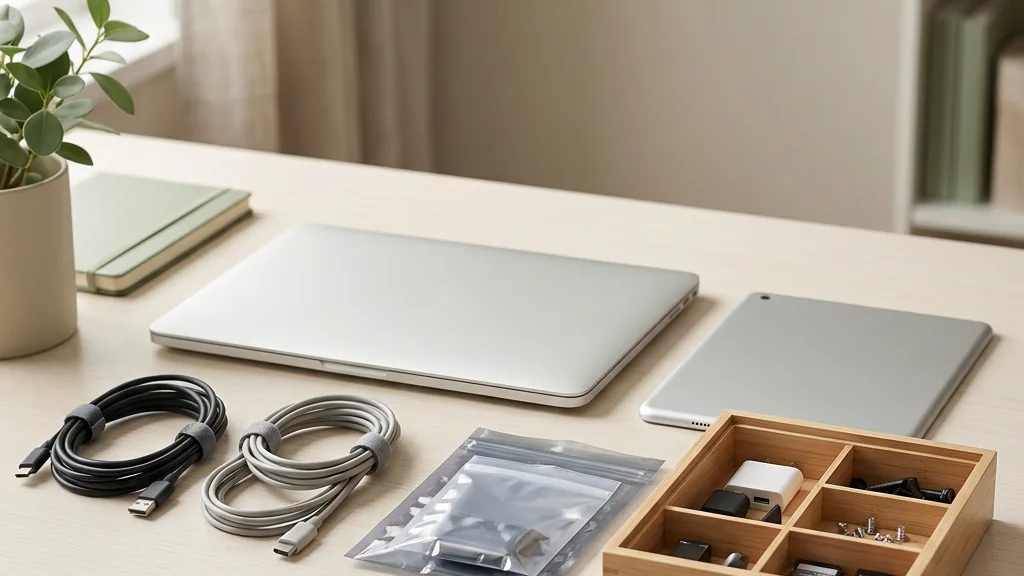
Keep the docking station area clear to ensure reliable signal reception and smooth docking. For limited living space, relocate infrequent items to professional storage to maintain efficiency.
Technological development is changing with each passing day, and artificial intelligence technology has been deeply integrated into the daily lives of Hong Kong city dwellers. From fully automatic floor-scrubbing vacuum cleaners to the latest generation of smart companion robots, these technological products have not only significantly reduced the burden of housework but have also brought intelligent and convenient experiences to modern families. However, as the functions of these smart devices become more powerful, the volume of their accompanying dust collection, cleaning, and integrated charging bases has also increased.
Conflict between smart device arrival and home traffic flow
To ensure smooth robot operation, the area around the docking station should remain clear for signal reception and docking. If living areas are cluttered, relocate items away to prevent radar interference and collisions, ensuring device longevity.
Rational material diversion and release of the docking station's sensing range
To ensure that smart robots can operate efficiently 24/7, savvy families have begun to use rational space diversion thinking. Systematically move out low-frequency sundries, seasonal appliances, sports equipment, and various spare materials in the living room, moving them out of the robot's daily working and sensing path. When the unnecessary sundries on the ground and in the wall corners are cleared, the originally crowded living room can not only achieve visual purification but also free up a spacious and stable installation space for the robot base. This space allocation not only guarantees that smart devices perform at their maximum efficiency but also allows the residence to return to its original neatness and aesthetic beauty.
Environmental protection of home assets through professional external storage
Moving infrequent or seasonal household items to professional storage facilities is an option for home logistics support. Such facilities provide managed storage environments for property that is difficult to house at home.
Seek professional team assistance
For needs regarding docking station placement and space optimization, consult with experienced professional space management teams. They provide guidance on storage planning and compliance to help maintain an orderly home environment.
One Plus One Storage Services
One Plus One Storage provides professional mini storage services, committed to providing citizens with flexible, convenient, and reasonably priced storage solutions. We have an in-depth understanding of the land supply shortage during Hong Kong's urbanization process, as well as the current situation where changing work patterns have led to an increasing demand for home space by citizens. Therefore, we founded One Plus One Storage to respond to these growing needs.
Our mini storage covers a variety of sizes; whether customers need small storage spaces to store personal items, or large storage spaces to store company documents or furniture, we can provide suitable solutions. In addition, our pricing is fair and transparent, and we provide flexible rental periods; whether long-term or short-term rentals, customers can flexibly choose according to their own needs.
Welcome to request a quote or inquire: Click here to contact us via WhatsApp
- Address: Room 16-17, 9/F, Nan Fung Commercial Centre, 19 Lam Lok Street, Kowloon Bay
- Tel: 3188 1889
- WhatsApp: 6928 9628
- Email:enquiry@opostorage.com
Feel free to contact us at any time, let us provide you with professional mini storage services!
Practical storage and planning
- Assess the clearance required for the robot docking station.
- Systematically declutter and relocate infrequent items to storage.
- Clear obstructions from the robot's navigation and work path.
Frequently asked questions
Are the historical service terms still available?
This is historical content; past commercial terms or offers are no longer valid, so please contact support for current information.
Further reading: US National Archives guidance on storing papers and photographs; Canadian Conservation Institute guidance by material