
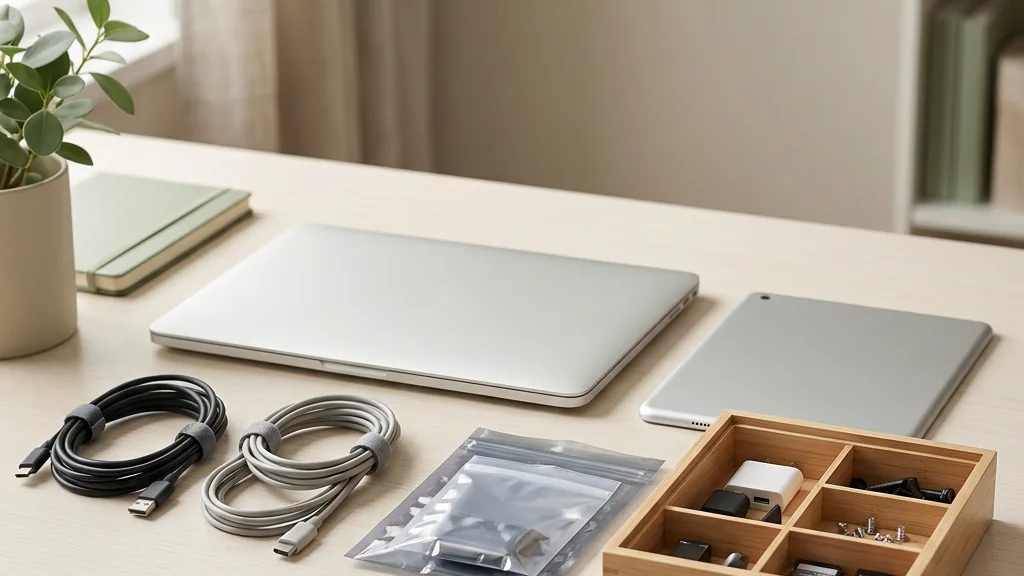
After upgrading to a projector, you can achieve a minimalist living room by removing bulky TVs and cabinets. Off-site storage for unused equipment helps keep your space clean and organized.
With the continuous evolution of home aesthetics and projection technology, modern Hong Kong families have ushered in an epoch-making change in concepts when planning living room audio-visual entertainment. Traditional TV sets, which used to be the core of the living room, bulky and fixed in position, are gradually being replaced by high-definition, high-flexibility projectors. When the bulky black TV screen and complicated audio-visual cabinet disappear from the wall, and are replaced by a clean and sharp white wall or a retractable screen, this not only subverts the traditional home layout but also opens up a new opportunity for visual purification and space liberation for the local living environment that is precious as gold.
Audio-visual equipment iteration reshapes living room aesthetic lines
Storage considerations for eliminated equipment and peripheral materials
When enjoying the giant screen visual shock and space purification brought by projectors, families also need to rationally deal with the placement problems of materials derived after replacing equipment. The original old TV, bulky audio amplifier, TV cabinets that are no longer applicable, and peripheral matching equipment such as accumulated video discs and game consoles in the past, if casually stacked in the living room corner or bedroom, will instead destroy the minimalist visual effect that was hard to establish. In order to maintain the refreshing feeling of the living room, rationally diverting these high-quality audio-visual materials that are not used in the short term but still have value, and moving them out of the core living category, is an important key to ensuring the perfect implementation of living room visual purification.
Physical protection of high-value materials by modern storage
Moving replaced audio-visual equipment and precious disc collections to externally managed storage facilities can provide necessary protection for high-value items. Given Hong Kong's environmental variability, storing electronics or discs requires selecting a suitable location to manage potential risks. If you have concerns regarding the condition of valuable or damaged items, please consult with a professional conservator.
Seeking help from professional teams
Facing the space reorganization and old material disposal considerations after the living room audio-visual upgrade, consulting an experienced professional space management team in the market for help is the most worry-free and efficient wise move. Storage service experts can provide the most scientific space diversion suggestions and comprehensive handling protection support according to the volume and preservation requirements of different families' objects, and ensure that the storage environment fully complies with local strict safety specifications. Through cooperation with professional teams, citizens can not only get high-standard constant temperature and moisture-proof protection for seasonal and retired audio-visual equipment, but also completely practice living room visual purification, creating a spacious, exquisite, and highly aesthetic ideal urban home for their families.
One Plus One Storage Services
One Plus One Storage provides professional storage services, committed to offering citizens flexible, convenient, and reasonably priced storage solutions. We deeply understand the problem of land supply shortages in Hong Kong's urbanization process, as well as the current situation where changes in working patterns lead to an increasing need for home space among citizens. Therefore, we founded One Plus One Storage to respond to these growing needs.
Our storage facilities cover a variety of sizes; whether customers need small storage spaces for personal items or large storage spaces for company documents or furniture, we can provide suitable solutions. In addition, our price setting is fair and transparent, and we offer flexible lease terms, allowing customers to choose flexibly according to their own needs, whether for long-term or short-term leases.
For quotes or inquiries, please: Click to contact us via WhatsApp
- Address: Unit 16-17, 9/F, Nan Fung Commercial Centre, 19 Lam Lok Street, Kowloon Bay
- Tel: 3188 1889
- WhatsApp: 6928 9628
- Email:enquiry@opostorage.com
Feel free to contact us at any time, let us provide you with professional storage services!
Practical storage and planning
- Assess your audio-visual equipment to identify items for long-term storage or disposal.
- Move unused electronic and optical media to a suitable off-site storage facility.
- Consult professional preservationists or technicians for any damaged or particularly valuable items.
Frequently asked questions
How can I ensure my electronics are protected while in storage?
Select a facility that offers appropriate storage environments suited to your specific materials and consult experts for long-term maintenance best practices.
Further reading: US National Archives guidance on storing papers and photographs; Canadian Conservation Institute guidance by material