
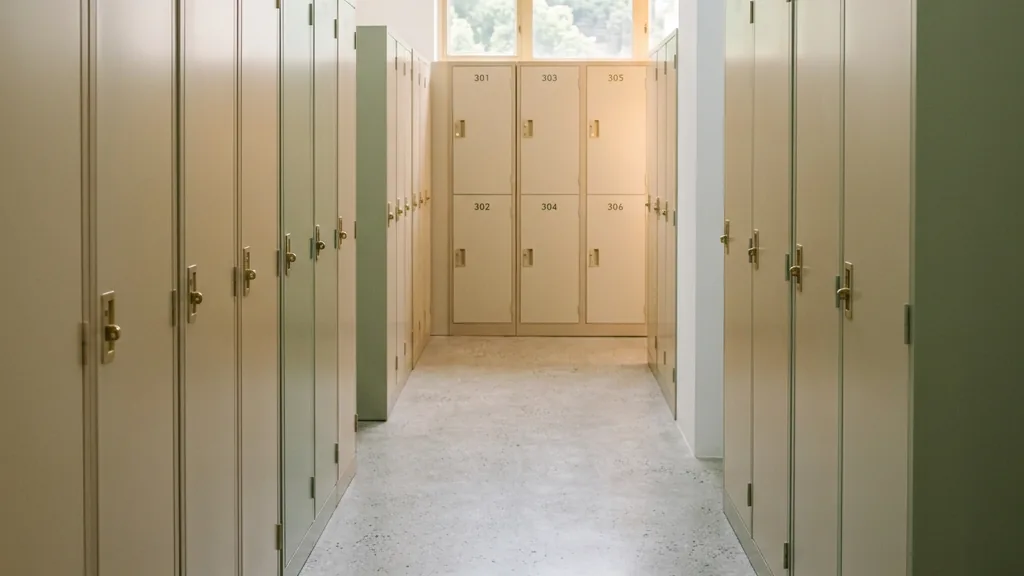
Self-storage provides extra space for individuals to manage household clutter and offers businesses flexible inventory solutions, serving as an effective tool for urban space management.
As a busy city, Hong Kong often faces the problem of limited space. In this context, the application of self-storage has become a popular solution. This article will explore the applications of self-storage in Hong Kong and introduce its advantages in daily life and commercial fields.
Personal Use of Self-Storage in Hong Kong
Self-storage services in Hong Kong allow individuals to rent space for temporary storage during home decluttering or moving. Users can manage their items within the facility, noting that storage conditions depend on the actual maintenance of each site.
Commercial Use of Self-Storage in Hong Kong
Beyond personal use, self-storage is utilized in the commercial sector. Businesses often use these units as product distribution or temporary inventory solutions. Lease terms are generally flexible, and companies should assess their storage space requirements based on current business needs.
Advantages of Self-Storage in Hong Kong
The primary benefit of self-storage is the provision of additional space. Rental services are flexible, allowing users to choose unit sizes and durations according to their needs, with access available during permitted hours.
Choosing the Suitable Self-Storage in Hong Kong
Choosing the suitable self-storage in Hong Kong is very important. People should consider the size, location, facilities, and security of the warehouse. At the same time, they should also evaluate the rent and lease terms to ensure they fit their budget and needs.
The application of self-storage in Hong Kong has wide advantages in both personal and commercial fields. It provides additional storage space, solves the problem of insufficient space, and ensures the safety and cleanliness of items. Whether for temporary storage of personal items or commercial inventory, self-storage is a flexible, safe, and convenient solution. When choosing self-storage, people should select the suitable warehouse based on their needs and budget. Through the application of self-storage, people can better manage their items, providing a more comfortable and orderly living and working environment.
One Plus One Storage Services
One Plus One Storage provides professional self-storage services, committed to offering citizens flexible, convenient, and reasonably priced storage solutions. We deeply understand the challenges of land shortages during Hong Kong's urbanization, as well as the current reality where changing work patterns lead to an increasing need for household space. Therefore, we founded One Plus One Storage to respond to these growing demands.
Our self-storage units come in various sizes; whether customers need a small storage space for personal belongings or a large one for company documents or furniture, we can provide suitable solutions. Furthermore, our pricing is fair and transparent, and we offer flexible lease terms, allowing customers to choose flexibly based on their needs, whether for long-term or short-term leases.
For quotes or inquiries: Click to contact us on WhatsApp
- Address: Unit 16-17, 9/F, Nan Fung Commercial Centre, 19 Lam Lok Street, Kowloon Bay
- Tel: 3188 1889
- WhatsApp: 6928 9628
Feel free to contact us, and let us provide you with professional self-storage services!
Practical storage and planning
- Assess the specific storage needs and required space size.
- Conduct on-site inspections of facility management and security.
- Review the latest lease terms and service fees provided by the operator.
Frequently asked questions
How should items be prepared before storing?
Use sturdy boxes and labels for organization. Seek advice from professional conservators for high-value or fragile items rather than attempting DIY fixes.
Why do lease terms for self-storage change over time?
Lease terms and rates are subject to market conditions and operational costs; always contact the operator directly for the most current information.
Further reading: US National Archives guidance on storing papers and photographs