
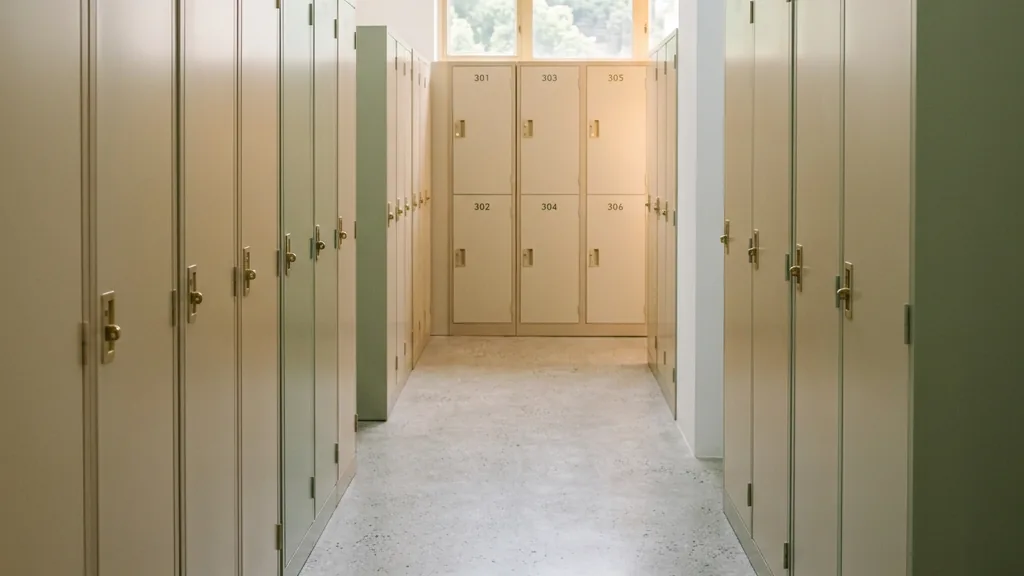
Self-storage offers flexible space for urban storage needs. When selecting, prioritize location, compliance, and security. For delicate or valuable items, consult professionals to ensure proper preservation.
Living in a city, space is often a big problem. Whether for families or companies, as time passes, items accumulate, and storage space often becomes a difficult problem to solve. At this time, self-storage services have emerged, providing a perfect solution for those who need extra storage space.
The Concept of Self-Storage
Self-storage, also known as mini-storage or self-service storage, is a storage space provided for individuals or companies to rent temporarily or long-term. Compared with traditional warehouse storage, self-storage is more flexible and convenient. Tenants can rent storage units of different sizes according to their needs.
Why Choose Self-Storage?
Save Space: For those living in small spaces, self-storage provides an off-site storage option, allowing home space to be freed up.
Item Storage: For those who need to temporarily leave their current residence, self-storage can safely keep their items.
Cost-Effectiveness: Compared to moving or expanding existing space, renting self-storage is a more economical option.
Flexibility: Self-storage contracts usually have a high degree of flexibility; tenants can increase or decrease storage space as needed.
Security: Many self-storage facilities provide 24-hour surveillance to ensure the safety of property.
Considerations Before Choosing Self-Storage
When choosing a self-storage service, you should consider the following points:
Location
Choose a self-storage facility near your home or office to facilitate access to items.
Storage Space Size
Choose a suitable unit size based on your storage needs. Many self-storage companies provide storage units ranging from small cabinets to large rooms.
Security
Understand the security measures of the self-storage facility, such as surveillance cameras, security patrols, and access control systems.
Cost
Compare the prices of different self-storage facilities and understand the rent, insurance, and other possible fees.
Reviews
Read reviews from other tenants to understand their satisfaction with the self-storage service.
How to Maximize the Use of Self-Storage
Sorting and Categorization
Before storing items, perform careful sorting and categorization. This not only helps you determine how much storage space you need but also allows you to easily find the items you need later.
Packing
Use suitable packing materials to protect items, and consult with professionals for specialized storage requirements.
Stacking
Stack items reasonably. Place heavy items on the bottom and light items on the top to effectively utilize space while preventing items from being damaged due to excessive pressure.
Labeling
Clearly label each box or storage unit so you can quickly find items when needed.
Regular Checks
Periodically inspect your unit to ensure that stored items are maintained in good condition.
Future Trends of Self-Storage
With the development of technology and the increase in people's demand for space, the self-storage industry is also constantly evolving. Here are some future trends worth paying attention to:
Technology Integration: The integration of smartphone apps, cloud technology, and the Internet of Things makes managing and accessing self-storage more convenient.
Eco-friendly Buildings: Green buildings and sustainable development have become important considerations in the design and construction of self-storage.
Flexible Services: Adding additional services such as mailrooms and office spaces to meet the more diverse needs of users.
Self-storage is an ideal choice for urban residents and companies to solve the problem of insufficient space. Considering its convenience, security, and cost-effectiveness, it has become an indispensable part of modern life. Choosing the right self-storage service can not only help you effectively manage your items but also ensure the safety of your property.
When choosing self-storage, remember to consider its location, size, security, and price. At the same time, pay attention to how to use storage space efficiently and perform regular checks and maintenance. With the continuous development and innovation of the industry, future self-storage services will provide users with more convenience and choices.
One Plus One Storage Service
One Plus One Storage provides professional self-storage services, dedicated to offering citizens flexible, convenient, and reasonably priced storage solutions. We deeply understand the issues of land supply shortages in Hong Kong's urbanization process and the current situation where changing work patterns have led to an increasing need for home space among citizens. Therefore, we established One Plus One Storage to respond to these growing demands.
Our self-storage units cover a variety of sizes; whether customers need small storage space for personal items or large storage space to store company documents or furniture, we can provide suitable solutions. In addition, our pricing is fair and transparent, and we provide flexible lease terms. Whether it is a long-term or short-term lease, customers can flexibly choose according to their needs.
Welcome to request a quote or inquire: Click to contact us on WhatsApp
- Address: Room 16-17, 9/F, Nan Fung Commercial Centre, 19 Lok Yip Road, Kowloon Bay
- Tel: 3188 1889
- WhatsApp: 6928 9628
Feel free to contact us anytime, and let us provide you with professional self-storage services!
Practical storage and planning
- Assess your storage needs and select a suitable unit size.
- Sort and pack items using appropriate materials with clear labels.
- Check your unit periodically to ensure items remain in good condition.
Frequently asked questions
What is recommended for storing valuable items?
For delicate or high-value items, seek professional advice regarding storage, rather than attempting DIY preservation methods.
What should be prioritized for security?
Evaluate the facility's access controls, management protocols, and insurance options to ensure your property remains protected.
Further reading: US National Archives guidance on storing papers and photographs