
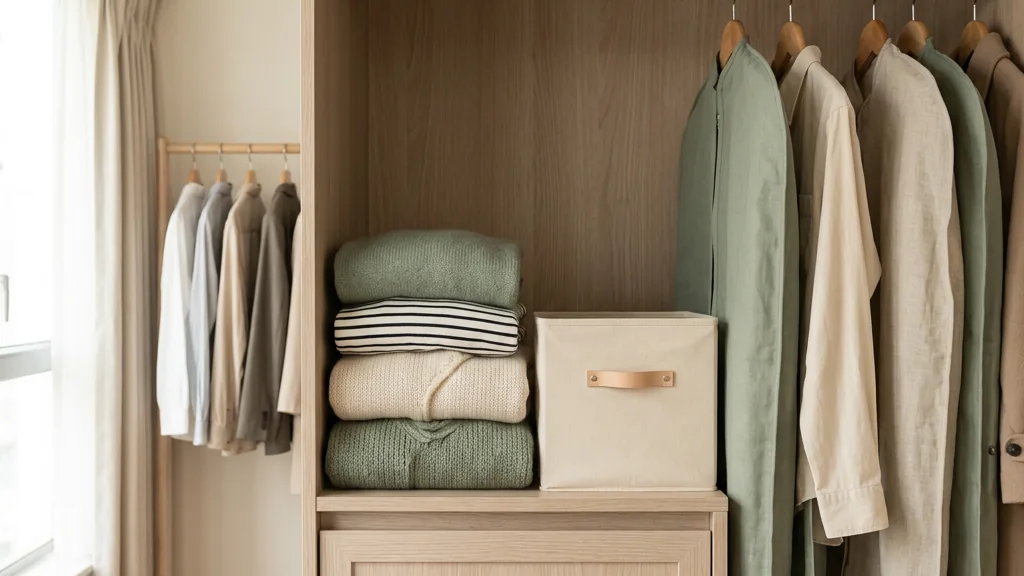
Mini-storage provides extra space to house off-season clothes, helping to reduce home clutter and increase comfort. Properly pack items by category and consult professionals for delicate items.
Every seasonal change, Hong Kong people face a 'wardrobe battle.' Thick coats, down jackets, and quilts fill up closets that were never spacious to begin with, often taking over the space under the bed or on top of the sofa. Faced with a 'closet explosion' crisis, relying solely on decluttering or vacuum bags is often a temporary fix. The recently emerging 'mini-storage rental' and 'door-to-door storage boxes' have become the best solutions for seasonal storage and freeing up living space.
Step 1: The Golden Rules Before Storing (Wash, Sort, Shrink)
Before placing clothes into a storage unit, it is recommended to clean and completely dry them to maintain a tidy storage environment.
Must wash: Do not store clothes directly just because they 'look clean' after being worn. Residual skin dander and sweat stains are the main causes of moth damage and mold. All clothing must be thoroughly washed and dried before storage.
Sort and declutter: Clothes that haven't been worn in two years won't be worn next year. Take advantage of the seasonal change to donate or discard them to avoid wasting storage rent.
Vacuum bags can help organize bulky items, but consider fabric properties; delicate or specialized garments should be stored flat or hung.
Why are small storage units a seasonal savior?
Moving off-season clothes to a mini-storage unit is not just to 'make space,' but also to 'maintain clothing.'
Professional warehouses offer facilities to help maintain a stable environment for off-season storage; please check with specific providers for details.
Moving off-season clothing to a mini-storage unit clears home space, resulting in a more spacious and tidy living environment.
Looking for help from a professional team
Many people think renting storage is just about renting a space; in fact, the professional management team behind it is the core value of the service, which is why it is worth paying for:
Environmental monitoring experts: Compared to home dehumidifiers that are switched on and off, professional warehouses are monitored by experts using industrial-grade air conditioning systems. Once humidity is abnormal, the system automatically adjusts; this is crucial for preserving leather handbags and silk.
Logistics and transportation team: Especially for 'door-to-door storage boxes' service, equipped with professional fleets and movers. You only need to book via the App, and the team will pick up or deliver. They know how to properly stack boxes to avoid crushing clothes, saving you from sweaty manual labor.
Strict security and fire safety: After past accidents, regular warehouses have invested heavily to upgrade equipment compliant with fire safety regulations (such as fire-resistant partitions, automatic sprinklers) and 24-hour CCTV; this is a level of security that storing at a friend or relative's home cannot compare to.
Tips for choosing a storage unit
Door-to-door vs. Self-storage: If storing frequently accessed items, choose a traditional unit near an MTR station; if purely seasonal (taking out once a year), door-to-door storage boxes are the most cost-effective and labor-saving.
Fee transparency: Pay attention to whether transportation fees, storage fees, and minimum rental period restrictions are included.
Seasonal storage should not be a disaster. By renting a small storage unit, you can outsource 'temporarily useless' clothing at a very low cost, having a professional team maintain your cherished clothes, and gaining a spacious and comfortable living environment. This weekend, why not get started and let your closet and your mood change with the season!
One Plus One Storage Services
One Plus One Storage provides professional mini-storage services, dedicated to providing citizens with flexible, convenient, and reasonably priced storage solutions. We deeply understand the issue of land supply shortages in Hong Kong's urbanization process, as well as the current situation where changing work patterns have led to an increasing demand from citizens for home space. Therefore, we created One Plus One Storage to respond to these growing demands.
Our mini-storage units come in various sizes; whether customers need small storage space for personal belongings, or large storage space to store company documents or furniture, we can provide suitable solutions. In addition, our pricing is fair and transparent, and we offer flexible rental terms, whether for long-term or short-term, allowing customers to choose flexibly based on their own needs.
Welcome to request a quote or inquiry: Click to contact us on WhatsApp
- Address: Room 16-17, 9/F, Nan Fung Commercial Centre, 19 Lam Lok Street, Kowloon Bay
- Phone: 3188 1889
- WhatsApp: 6928 9628
- Email:enquiry@opostorage.com
Welcome to contact us anytime, let us provide you with professional mini-storage services!
Practical storage and planning
- Thoroughly clean and air-dry all clothes before packing them into suitable storage bins by season.
- Periodically review stored items and donate or dispose of belongings that are no longer needed.
- Consult professional preservation or repair services if delicate items like silk or leather show signs of damage.
Frequently asked questions
What are basic packing suggestions before storing clothes?
Use breathable storage bins or garment bags instead of airtight plastic for long-term storage, and ensure items are completely dry.
How do I know if my items are suitable for mini-storage?
Standard off-season clothing and household goods are suitable. For antiques or specialized materials, consult a professional conservator first.
Further reading: US National Archives guidance on storing papers and photographs; Canadian Conservation Institute guidance by material