
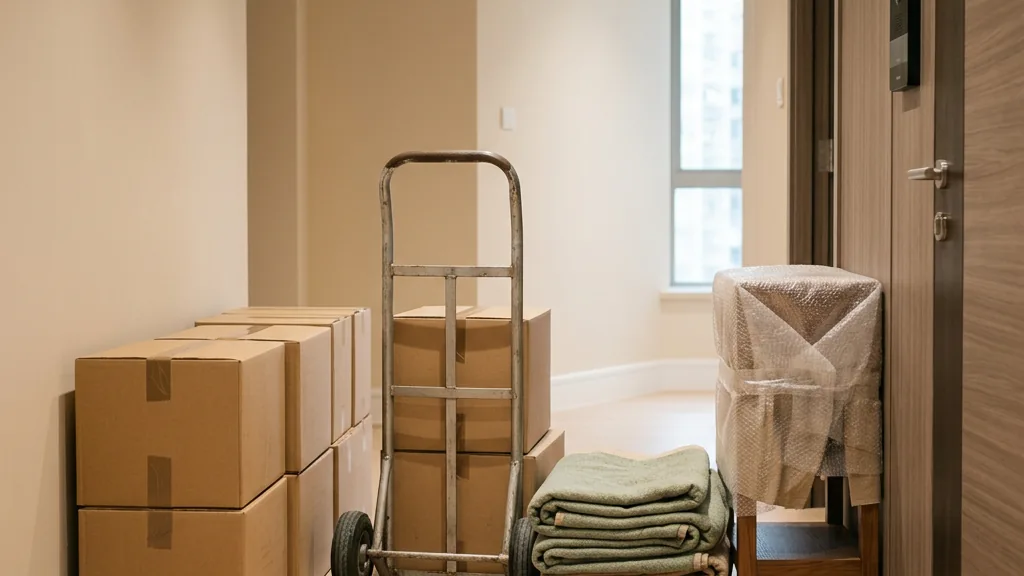
Avoid selecting storage based solely on short-term discounts. Inaccurate space assessment often leads to frequent moves, increasing logistical costs and risks of damage. Choose reputable, well-located facilities with transparent contracts and seek professional guidance to ensure long-term stability and security for your items.
Living in Hong Kong, space is always the most luxurious resource. Whether it's major home renovations, temporary transfers to private housing, or an online business growing so large that it needs a massive amount of inventory, many people immediately think of renting mini storage. However, many beginners often have the mindset of "just find a cheap warehouse and put it there for a few months" when renting, only to choose a place that is remote, lacks direct elevator access, or has a poor environment.
After a few months when the contract expires, rent suddenly increases, or they find that the space is simply not enough, they realize they have to move dozens of boxes of miscellaneous items back and forth, experiencing what is known as "secondary handling." This process not only requires re-renting a vehicle, paying several thousand dollars in moving fees, but also involves back-breaking work moving items through narrow corridors during the scorching summer, potentially damaging the items.
Why should some people choose a long-term stable location when they first rent storage? Today, from the perspective of renting mini storage, we will break down the key secrets!
Why Rent Randomly Just to Save Money? Counting the Hidden Costs and Physical Torture Brought by Warehouse Transfers
When facing space needs, prioritizing short-term price promotions over long-term site stability can lead to unnecessary relocation expenses and resource depletion.
⚠️ Logistics costs of frequent warehouse transfers: Every time you move your mini storage, you need to re-book a van (Gogovan/Lalamove) or a professional moving company. If there are many items, the accumulated costs of car fares, labor fees, and packaging materials can easily be more expensive than the rent you saved originally.
⚠️ Risk of loss during the moving process: Old Hong Kong industrial buildings often have narrow corridors and busy elevators. Frequent moving of boxes in and out easily leads to fragile items breaking from collisions, furniture getting scratched, or important documents being damaged by humidity or collisions.
⚠️ Huge consumption of time and mental energy: Packing dozens of boxes of items, re-counting inventory lists, and supervising the moving process yourself all require a lot of effort, which is definitely a double test of physical strength and patience for busy Hong Kong office workers.
The Pain Point of Hong Kong's Limited Land: Why Frequent Mini Storage Moving Ruins Budgets
When renting storage space in Hong Kong, besides the rent itself, geographical location, transportation convenience, and building facilities are key factors affecting long-term expenses. Through the comparison table below, we let everyone clearly understand the difference between random storage rental and choosing a stable location early on:
Storage Decision Metric 🏢 | Random Short-Term Cheap Storage (Frequent secondary handling) ⚠️ | Long-term Stable Quality Location (One-time setup) ✨ |
Transportation and Convenience 🚗 | Remote location, taking a lot of time and transportation costs to pick up items each time, gradually losing the desire to use it | Near MTR stations or regular routes, daily access to items is easy and fast, greatly reducing time costs |
Hidden Contract Terms and Rent Increase Risk 📄 | Sudden rent increases after the short-term discount period, forced to move again in a short time, falling into a vicious cycle | Choosing operators with a good reputation and transparent contract terms, rent is stable for the long term, saving the trouble of frequent renewals |
Temperature Control and Fire Safety 💧 | Environments lacking adequate setup may not provide optimal conditions; for valuable items, it is recommended to consult with professional storage experts for appropriate preservation. | Equipped with professional temperature/humidity control and facilities that meet fire regulations, protecting valuable assets securely |
As can be seen from the comparison table, greed for cheapness early on often triggers a series of follow-up troubles and additional expenses; choosing a long-term stable location is the wise move to save costs.
How to Choose Between Short-Term Transition and Long-Term Storage? Breaking Down Contract Terms and Location Selection Blind Spots
Facing different life turning points, many people mistakenly think that during a "transition period," they only need to find a place to pile up items randomly. In fact, a so-called short-term transition is often longer than expected. For example, a three-month renovation project might be delayed to half a year for various reasons, or an online business might develop rapidly, and the temporary warehouse might soon become inadequate.
When choosing a location, you must assess the true nature of your own needs. If these items need to be regularly retrieved, added to, or removed within the next year, the accessibility of the location becomes the primary consideration. Choosing a long-term stable location that is a reasonable distance from your home or workplace, has sufficient parking spaces, or is convenient for unloading, can make every subsequent access easier. Conversely, if you blindly pursue the extremely low monthly rent in remote industrial areas of the New Territories, traveling a long distance every time you go to pick up a piece of seasonal clothing or online store product will only lead to the items being permanently "sealed" in the warehouse, or even deciding to give up on them because you're too lazy to go, which is counterproductive.
How to Accurately Assess Storage Needs Early in Renting? Avoiding the Trap of Not Having Enough Space
To fundamentally avoid secondary handling, besides choosing the right location, accurately assessing the required space size is equally important. Many people often underestimate the volume of their miscellaneous items when they first rent storage, resulting in the warehouse being jam-packed, and needing to upgrade to a larger warehouse soon after, experiencing the pain of moving again.
💡 Inventory and Categorize Existing Items: Before packing, lay out all items that need to go into storage to count them, distinguishing between categories of "must be stored for a long time," "seasonal use," and "ready to discard," to reduce unnecessary space waste.
💡 Reserve Future Growth Space: If you are storing online store products or miscellaneous items generated by increasing family members, space needs usually increase gradually. It is recommended to reserve an extra 20% to 30% of space when calculating the required square footage.
💡 Make Good Use of Vertical Storage: Choosing a warehouse location with high ceilings and appropriate metal shelves can significantly increase space utilization, avoiding the need for temporary expansions due to overfilling the floor.
Seeking Professional Team Assistance
Facing complex storage contracts, cumbersome moving logistics arrangements, or uncertainty about how much space you actually need, rather than trying blindly, it is better to hand over professional consultation and planning work to a professional team in the relevant field. Quality storage service consultants can provide objective and forward-looking site selection and space planning suggestions based on your actual situation, budget constraints, and the nature of your items. When you want every storage instance to be secure and long-lasting, avoiding the tossing and turning of frequent moving, seeking professional support can make the whole process twice as effective with half the effort, helping you easily solve all space troubles.
Frequently Asked Questions (FAQ)
Q1: If I only plan to use mini storage for three or four months, do I really need to choose a location as strictly as if it were for the long term?
A: Often, a "three or four month" short-term transition period will be extended due to renovation delays or plan changes. If you choose a remote warehouse with extremely inconvenient transportation initially, once the period is extended or you need to pick up items frequently, it will bring huge time and transportation costs. Therefore, even during a transition period, choosing a location with convenient transportation and a good reputation is still safer.
Q2: How can I accurately calculate how many square feet of space I need before renting?
A: The most practical method is to unify the size of all paper boxes that need to be stored, then lay them out on the floor at home to calculate the footprint area, or provide an item list directly to the preferred storage company, letting professional customer service help assess the appropriate square footage to avoid having to change warehouses mid-way due to miscalculation.
Q3: If I really need to change to a larger warehouse or move to another branch mid-way, is there any way to minimize the trouble of secondary handling?
A: If transferring is unavoidable, it is recommended to prioritize operators with chain branch scale, because some groups may offer more flexible connection plans or cooperative logistics recommendations when transferring within the group. At the same time, clear numbering and classification labels when packing can also greatly improve the efficiency of subsequent moving.
One Plus One Storage Services
One Plus One Storage provides professional mini storage services, dedicated to offering citizens flexible, convenient, and reasonably priced storage solutions. We have an in-depth understanding of the land supply shortage during Hong Kong's urbanization process and the current situation where changing work patterns have led to an increasing need for home space among citizens. Therefore, we established One Plus One Storage to respond to these growing demands.
Our mini storage units cover a variety of sizes. Whether customers need a small storage space for personal belongings or a large storage space for company documents or furniture, we can provide suitable solutions. Furthermore, our pricing is fair and transparent, and we offer flexible lease terms, allowing customers to choose flexibly based on their own needs, whether for long-term or short-term leasing.
Welcome to request a quote or inquiry: Click to contact us on WhatsApp
- Address: Room 16-17, 9/F, Nan Fung Commercial Centre, 19 Lam Lok Street, Kowloon Bay
- Tel: 3188 1889
- WhatsApp: 6928 9628
- Email:enquiry@opostorage.com
Feel free to contact us anytime, and let us provide you with professional mini storage
Practical storage and planning
- Inventory all items intended for storage and categorize by frequency of use.
- Select a facility with consistent operational history and convenient access.
- Consult with professional staff for space planning to accommodate potential future needs.
Frequently asked questions
Is careful site selection necessary for short-term storage?
Yes, even for temporary needs. Short-term periods often extend due to project delays. Choosing an inconvenient location early on will significantly increase transportation costs and time commitment if the storage term is prolonged.
How can I accurately calculate required square footage?
The most effective method is to measure the floor area occupied by your items in a controlled setup. Sharing a detailed inventory list with the storage provider allows experts to recommend appropriate space sizes, preventing the need for mid-term relocation.
Further reading: US National Archives guidance on storing papers and photographs