
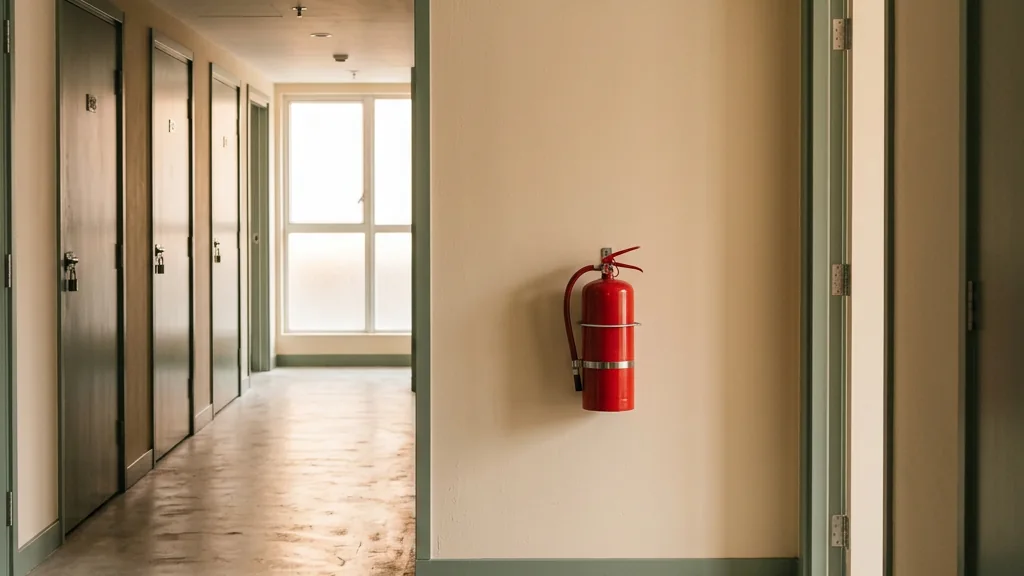
Low-priced storage units may compromise on fire safety and environmental controls, leading to potential risks. Prioritize verifying fire compliance, perform site inspections, and consult professionals for precious items.
In Hong Kong, where every inch of land is worth gold, rental costs have always been a heavy burden for many families and SMEs. Whenever there is a need to find extra space to store off-season clothing, documents, or various sundries, the self-storage advertisements seen everywhere on the market can be dazzling. Among them, some self-storage units claiming to be "ultra-low price" or "cheapest in Hong Kong" can often catch the eyes of budget-conscious users first.
However, as the saying goes, "do not be greedy for cheap things"; when the rent shows a significant gap from the market average level, there are often some invisible costs and environmental limitations that are easily overlooked. Although there may be various operational risks hidden behind low prices, as long as you grasp a few key dimensions to objectively assess and make preventive measures, you can achieve a balance between saving the budget and protecting property safety.
When exploring the operating costs of self-storage, the primary concern is the level of compliance with fire safety standards. Compliant storage facilities must adhere to established fire safety regulations. Failure to meet these standards significantly increases risks in the event of an emergency, making it essential to prioritize facility compliance verification.
When exploring the operating costs of self-storage units, the primary concern is often the level of compliance with fire and hardware facilities. According to the strict new regulations implemented by the Hong Kong Fire Services Department on self-storage units in recent years, compliant storage places must reach very high fire safety standards in terms of partition materials, corridor width, automatic sprinkler systems, and smoke exhaust facilities.
Some ultra-low-price self-storage units, in order to lower capital expenditure, have the opportunity to be located in older industrial buildings, or even use cheap boards that do not meet fire-retardant standards for internal partitions. From the perspective of architectural physics and fire safety, once a sudden accident occurs in the building, this type of space, which lacks compliant fire safety systems and sufficient fire escape routes, will significantly increase the speed of fire spread.
Behind the low price, it is essentially the sacrifice of the basic safety line as the price, which poses immeasurable potential threats to precious property and even the personal safety of tenants.
The Erosion of Items by the Lack of Temperature/Humidity Control and Environmental Aging
Beyond hardware safety, environmental management is a key factor in item preservation. Given the humid climate, storage environments lacking proper air circulation may adversely affect materials such as paper, wood, and leather. If storing valuable assets, choose facilities with appropriate environmental controls or consult professionals for preservation advice.
User Lease Detail and Hidden Fee Self-Check Key Points
Before deciding to sign a low-price self-storage lease, users must conduct a deep self-check and review of the terms and details. Many ultra-low-price plans often use very attractive monthly rents as a draw in advertisements, but hide various restrictive terms or extra fees in the lease details. Users might want to check whether the contract includes terms like "unilateral significant rent increase at any time," "termination administrative fee," "must purchase designated expensive insurance," or "operating hours restricted (e.g., no air conditioning or lighting at night or on holidays)." In addition, you must personally inspect the warehouse's security system, such as whether there is 24-hour CCTV monitoring, smart access cards, and the sturdiness of the locks on individual units. Only through objective information comparison and detailed clause checking can you avoid falling into consumption traps like "cheap rent but many extra fees" or "extremely inconvenient item access."
Benefit and Risk Balance Assessment
Looking for storage spaces with high price-performance ratios is justifiable, but while pursuing low rent, you must objectively weigh the long-term time cost, potential damage risk, and economic benefits. If you place precious materials worth tens of thousands of dollars in an environment that is fire non-compliant, lacks moisture protection, and has loose security just to save a few hundred dollars in rent per month, once an accident occurs or items become damp and deteriorate, the loss often far exceeds the money saved. It is suggested that users perform risk assessments based on the nature of the items stored: if they are ordinary plastic sundries that are not afraid of moisture, the environmental requirements might be lower; but if they are off-season clothing, commemorative photo albums, or high-end equipment, avoid using price as the sole screening criterion and achieve a reasonable balance between budget and environmental quality.
Seeking Professional Team Assistance
When facing a dazzling array of self-storage choices, and your personal time and energy are limited, making it difficult to verify the fire compliance and temperature/humidity management level of each warehouse one by one, seeking help from professional teams in the industry can often provide a more reliable solution. Experienced professional consultants are not only familiar with the actual operating status of various storage facilities in the local market but can also provide objective risk assessments and space planning suggestions in advance, assisting users in effectively avoiding hidden traps behind low prices. Through professional, compliant, and well-equipped storage services, you can ensure that each precious asset is properly protected in a safe and stable environment while properly settling your daily materials. Welcome to contact the professional team at any time and explore a more guaranteed and reassuring ideal storage solution together.
One Plus One Storage Services
One Plus One Storage provides professional self-storage services, dedicated to offering citizens flexible, convenient, and reasonably priced storage solutions. We deeply understand the issue of land supply shortages in Hong Kong's urbanization process and the current situation where changing work patterns have led to an increasing demand for home space. Therefore, we founded One Plus One Storage to respond to these growing needs.
Our self-storage units cover a variety of sizes. Whether customers need small storage space to store personal items or large storage space to store company documents or furniture, we can provide suitable solutions. In addition, our pricing is fair and transparent, and we provide flexible rental periods. Whether it is a long-term or short-term lease, customers can flexibly choose according to their own needs.
For quotes or inquiries, please contact us: Click here to contact us via WhatsApp
- Address: Room 16-17, 9/F, Nan Fung Commercial Centre, 19 Lam Lok Street, Kowloon Bay
- Tel: 3188 1889
- WhatsApp: 6928 9628
- Email:enquiry@opostorage.com
Feel free to contact us at any time, and let us provide you with professional self-storage services!
Practical storage and planning
- Verify that the storage facility holds all necessary fire safety compliance certifications.
- Personally inspect the corridor width, security of locks, and general ventilation during a site visit.
- Thoroughly review all lease terms to clarify rent adjustment policies and additional service fees.
Frequently asked questions
How can I assess if a storage environment is suitable for long-term clothing storage?
Observe if the facility provides consistent ventilation and airflow. If in doubt, seek expert advice on storage materials to prevent potential damage.
Further reading: US National Archives guidance on storing papers and photographs; Canadian Conservation Institute guidance by material