
To manage accumulated souvenirs, start by digitizing them, filter items based on usage frequency, and consider using professional external storage for infrequently used valuables.
Postcards and souvenir trinkets brought back from travels, couple mugs from an ex, employee IDs from old jobs, ticket stubs from past concerts... Is your room also crowded with these souvenirs that are "a pity to throw away but take up space if kept"? Every time you decide to tidy up your room, the moment your hand touches these items, memories rush in like a tide, making you silently put them back. Over time, your room is no longer a haven for relaxation but a "memory warehouse" filled with past years.
Psychological Analysis: Why are we willing to be 'kidnapped' by souvenirs?
Our approach to managing souvenirs is often influenced by personal habits and living space planning.
1. Endowment Effect and Emotional Transfer
Because items are associated with past experiences, there is often a tendency to retain them.
2. Sunk Cost Fallacy
Being attached to past acquisitions because of their initial cost may impact the comfort of your living environment.
3. Anxiety about the future and fear of identity loss
Some people choose to keep physical souvenirs like books or medals to honor past experiences.
The Conflict Between 'Memory Preservation' and 'Space Quality'
What real impact does keeping too many souvenirs have on our daily lives?
❌ Room kidnapped by memories
Space status: Lockers, desktops, and under-bed spaces are packed with boxes, visually cluttered, and easily collect dust mites and mold.
Psychological feeling: Every time you see this pile of clutter, your subconscious generates a sense of heaviness and oppression from unfinished tasks.
Life quality: Lack of flexible activity space, extremely time-consuming to clean.
💡 Take control of your life
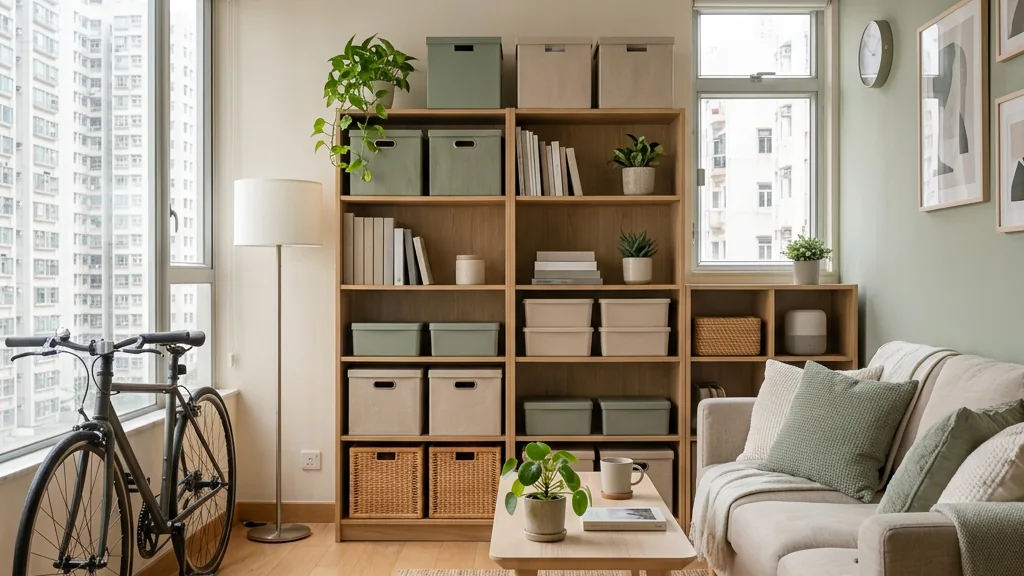
Space status: Only a few carefully selected collections are displayed, with the remaining space kept clean and transparent.
Psychological feeling: Focus on "present" and "future" living, feeling refreshed and relaxed.
Life quality: Smooth flow, gaining true rest when returning home.
3 Steps to Break 'Souvenir Blackmail' and Elegantly Reclaim Space
To achieve a balance between respecting the past and embracing the present, you can try the following practical progressive proposals:
Digital Archiving (Photo Recording Method):
Lay out ticket stubs, handwritten cards, old certificates, or souvenir T-shirts you no longer wear, take high-quality photos in sufficient light, and create an exclusive "memory cloud album." The value of an object lies in memory, not the material itself. Once you take a photo, the difficulty of letting go will decrease significantly.
Set a 'Featured Display Area' and Quantity Limit:
Set a fixed space limit for yourself (e.g., a beautiful memory box or one shelf of a display cabinet). Keep only the top 10% of souvenirs that touch your heart the most, and gently phase out the rest regularly.
Utilize 'Buffer Space' for Transition:
If it is truly hard to decide whether to keep certain items immediately, do not force yourself to discard them on the spot. Pack them into boxes marked with dates and temporarily store them in professional mini storage or under-bed storage. If you haven't thought about or opened them in half a year, it means you are mentally ready to let go.
Seek Help from a Professional Team
If some souvenirs carry extremely precious family memories, high-value collections, or seasonal treasures (like out-of-print models, precious photo albums, wedding dresses, and musical instruments), and you are unwilling to discard them but truly have no room at home, forced decluttering will only leave regrets.
Choosing a professional team with perfect services can provide the safest physical haven for your precious memories. Coupled with strict security systems and flexible size choices, you can properly store souvenirs that are temporarily unused in the unit. This not only preserves the beautiful past years intact but also restores spaciousness, comfort, and a sense of breath to your room, allowing you to regain the rhythm of your life.
One Plus One Storage Services
One Plus One Storage provides professional mini storage services, committed to offering flexible, convenient, and reasonably priced storage solutions to the public. We deeply understand the issue of land shortages in Hong Kong's urbanization process, and the reality that changing work patterns have led to an increasing need for home space among citizens. Therefore, we established One Plus One Storage to respond to these growing demands.
Our mini storage covers a variety of sizes; whether customers need small storage space to store personal items or large storage space to store company documents or furniture, we can provide suitable solutions. In addition, our pricing is fair and transparent, and we offer flexible lease terms, allowing customers to flexibly choose according to their own needs, whether for long-term or short-term leases.
Welcome to request a quote or inquire: Click to WhatsApp us
- Address: Room 16-17, 9/F, Nan Fung Commercial Centre, 19 Lam Lok Street, Kowloon Bay
- Tel: 3188 1889
- WhatsApp: 6928 9628
- Email:enquiry@opostorage.com
Feel free to contact us anytime, let us provide you with professional mini storage services
Practical storage and planning
- Digitize souvenirs by taking photos for archiving to retain memories while reducing reliance on physical storage.
- Set fixed display areas and periodically review items to avoid cluttering your living environment.
- If you are undecided, pack items into boxes and store them temporarily in professional external facilities.
Frequently asked questions
How to decide which items should be stored externally?
Valuable collectibles, seasonal items, and sentimental souvenirs that are bulky and rarely used daily are suitable candidates for professional storage services.
What should I be aware of when handling damaged or precious souvenirs?
For damaged or precious items requiring repair, seek assistance from professional conservators. Do not attempt DIY repairs to avoid irreversible damage.
Further reading: US National Archives guidance on storing papers and photographs