
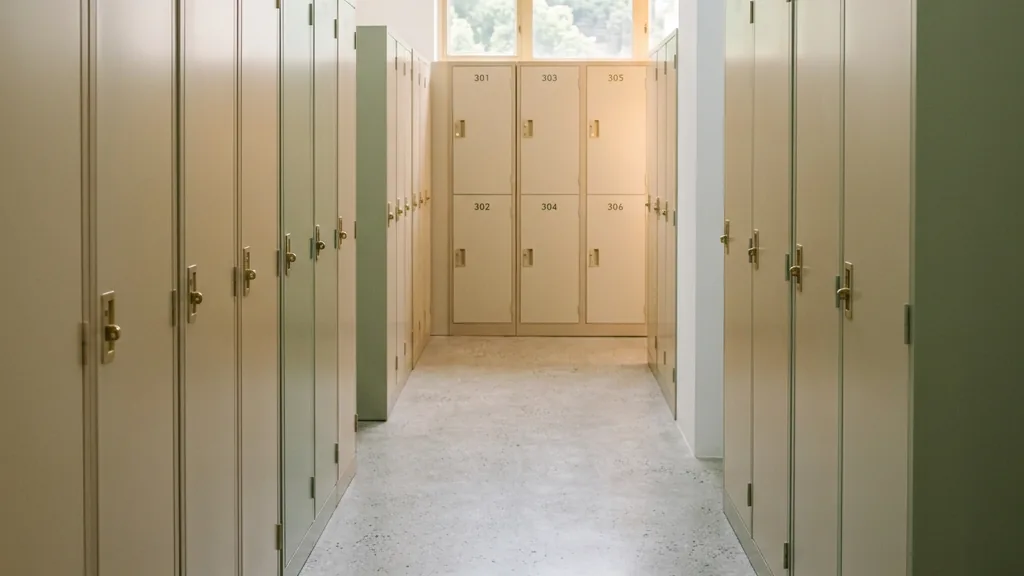
Mini storage offers flexible short or long-term rental space for household or commercial items, providing an external solution to alleviate space constraints at home or work.
In modern urban life, as living space becomes increasingly tight, mini storage services have gradually become a popular new way for people to solve storage problems. Whether for families, students, or businesses, mini storage provides a flexible and secure option that allows people to make reasonable use of space to store items temporarily or long-term. This article will detail the concept, types, application scenarios, and factors to consider when choosing mini storage.
The Concept of Mini Storage
Mini Storage, also known as self-storage or personal warehouses, is a small warehouse space provided for rent to individuals or businesses. As the name suggests, it is usually not large in area, making it convenient for users to store personal belongings or commercial goods. Compared to traditional warehouses, mini storage is more flexible, with lease terms ranging from one month to several years, and the prices are relatively affordable, making it very suitable for users who need temporary or additional storage space.
Types of Mini Storage
1. Standard Mini Storage
This is the most common type of mini storage, suitable for storing general household items, documents, or seasonal supplies.
2. Temperature-Controlled Mini Storage
For sensitive items, please evaluate the storage environment suitability and consult with a professional conservator for valuable possessions.
3. Commercial Mini Storage
Geared towards businesses, used for storing documents, inventory, or office equipment, usually equipped with cargo loading/unloading zones.
4. Vehicle Storage
Provides storage space for various types of vehicles, including cars, motorcycles, and boats.
Application Scenarios for Mini Storage
1. Family Moving
Temporarily storing furniture and other items during the moving transition period.
2. Seasonal Storage
Storage for seasonal items such as skiing equipment, summer camping supplies, etc.
3. Student Winter/Summer Vacations
Storing semester supplies during winter and summer vacations.
4. Commercial Storage
Business archiving, merchandise inventory, or temporary office space.
Factors to Consider When Choosing Mini Storage
1. Location
Choose a mini storage facility in a convenient location that is easy to access.
2. Security
Ensure the mini storage has adequate security measures, such as surveillance cameras, security services, and personal code locks.
3. Price
Compare the prices and payment methods of different mini storage facilities and choose the one with the best cost-performance ratio.
4. Space Size
Choose the appropriate warehouse size based on your needs to avoid wasting resources.
One Plus One Storage Services
This is a historical overview; please refer to the current service provider for the latest conditions and offerings.
Our mini storage covers a variety of sizes; whether customers need small storage space to store personal items, or large storage space to store company documents or furniture, we can provide suitable solutions. In addition, our pricing is fair and transparent, and we offer flexible lease terms, allowing customers to choose flexibly based on their own needs, whether for short-term or long-term rental.
Welcome to request a quote or inquiry: Click here to contact us via WhatsApp
- Address: Room 16-17, 9/F, Nan Fung Commercial Centre, 19 Lam Lok Street, Kowloon Bay
- Phone: 3188 1889
- WhatsApp: 6928 9628
Feel free to contact us anytime, and let us provide you with professional mini storage services!
Practical storage and planning
- Assess your specific storage space requirements before contacting facilities.
- Select a convenient facility that provides standard safety and security measures.
- Confirm current contract terms and pricing details with the facility provider.
Frequently asked questions
How should I prepare my items for mini storage?
Organize and pack items clearly. For fragile or valuable belongings, consult with a professional conservator regarding storage requirements.
What should I do if items are damaged in storage?
If items show signs of damage, consult a professional repair service; avoid attempting DIY restoration or cleaning methods.