
Organizing and storing unused items can help manage space. For valuable or sensitive items, always consult professional experts for guidance to ensure proper handling and storage.
Every time Hong Kong people face a living environment where every inch of land is worth gold, they always experience countless predicaments where the living room is flooded with clutter and the wardrobe is packed so full it won't close. Seeing seasonal clothing, collections of models, old photo albums, or even camping equipment that is only used occasionally filling the narrow hallway, the sense of spatial oppression and the anxiety brought by clutter often make it hard to breathe.
If you blindly stuff everything into a self-storage unit, you might worry that the humid weather will cause your beloved items to become moldy or damaged, or even waste expensive rent. In fact, as long as you master the logic of correct item selection and temperature/humidity management, sending items you won't use for a while on a 'vacation' can not only reshape the spaciousness of your home but also act as a refined life aesthetic.
Understanding the storage planning and selection points behind this is an important first step to improving your living quality.
Why does home always feel smaller as you live in it? Looking at storage blind spots from spatial oppression
To understand why Hong Kong homes always fall into an endless cycle of excess items, we must first look at the misalignment between living space and the life cycle of objects. As time goes by, we purchase far more items than we discard, and many items with sentimental value or seasonal items occupy golden living paths for a long time. When there is no spare corner left in the living room or bedroom, this visual clutter translates directly into mental stress for the residents. Without systematic decluttering and space planning, even if you move to a larger unit, it will soon be filled with clutter again. Understanding the root of this spatial anxiety can help us break out of the myth of blind accumulation and look for more scientific storage strategies.
How to smartly select items that are truly suitable for going on a 'vacation' to storage?
Not all clutter is suitable for sending into self-storage; blindly moving all old items only causes rent wastage. Before deciding which items to pack up, residents might want to evaluate them through the following practical screening steps:
Seasonal clothing and thick quilts: Vacuum-compress and pack high-end coats or thick blankets that are not for the current season, letting them leave the crowded wardrobe temporarily.
Low-frequency hobby equipment: Large items such as camping gear, diving equipment, large suitcases, or golf clubs that are bulky but only used once every six months.
Collections with sentimental value but rarely opened: Emotional assets like old photo albums, childhood toys, or souvenirs that need proper protection but do not need to take up space daily.
The temperature, humidity, and safety landmines most easily overlooked when renting self-storage
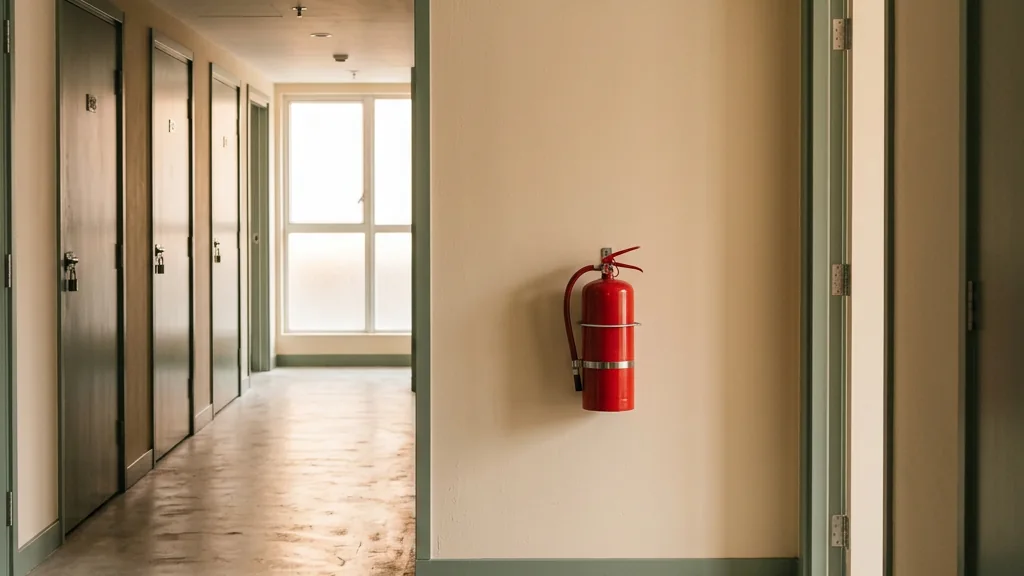
When moving items to storage, consider the impact of environmental factors and ensure the storage facility complies with fire safety standards.
When storing wooden furniture or appliances, use protective packaging to mitigate environmental damage; consult conservation professionals for valuable items.
How to easily find storage items anytime, anywhere through systematic labeling?
After sending items to self-storage, if you haven't kept proper records and management, finding a specific item later can often become a disaster. Residents can implement systematic management secrets through the following points:
Make good use of transparent plastic boxes and numbered stickers: Abandon traditional, fragile cardboard boxes, switch to thick transparent plastic boxes, and stick clear content lists and numbers on the outside of the boxes.
Establish a digital inventory list: Use your mobile phone to take photos of items inside the boxes and establish a cloud spreadsheet so you can accurately check which item is in which box anytime, anywhere.
Reasonably plan the placement of boxes: Place items used occasionally on the bottom layer, and place seasonal items that might be retrieved sooner on the outside or in positions that are easy to reach.
Seek Professional Help
For precious artwork or complex furniture disassembly, it is recommended to hire a professional logistics team to ensure item safety.
One Plus One Storage Services
One Plus One Storage provides professional self-storage services, committed to offering citizens flexible, convenient, and reasonably priced storage solutions. We deeply understand the issues of land supply shortages in Hong Kong's urbanization process, as well as the current situation where changing work modes lead to an increasing need for home space among citizens. Therefore, we pioneered One Plus One Storage to respond to these growing demands.
Our self-storage units cover various sizes; whether customers need small storage space to house personal items or large storage space to house company documents or furniture, we can provide suitable solutions. Furthermore, our pricing is fair and transparent, and we offer flexible lease terms; whether for long-term or short-term, customers can choose flexibly according to their own needs.
Welcome to request a quote or inquiry: Click to contact us on WhatsApp
- Address: Room 16-17, 9/F, Nan Fung Commercial Centre, 19 Lam Lok Street, Kowloon Bay
- Phone: 3188 1889
- WhatsApp: 6928 9628
- Email:enquiry@opostorage.com
Feel free to contact us anytime, let us provide you with professional self-storage services
Practical storage and planning
- Sort and filter out seasonal clothing and equipment that is not used daily.
- Use appropriate storage containers and protective wrapping for storage.
- Maintain a clear inventory record to track the location of stored items.
Frequently asked questions
How can I determine which household items are suitable for storage?
Prioritize items based on their frequency of use, focusing on bulky objects that are rarely accessed, while ensuring the material is suitable for long-term storage.
What is the recommended approach for storing valuable antiques or artwork?
Valuable or delicate items should be managed by professional conservators; avoid storing them in self-managed spaces without expert guidance.
Further reading: US National Archives guidance on storing papers and photographs; Canadian Conservation Institute guidance by material