
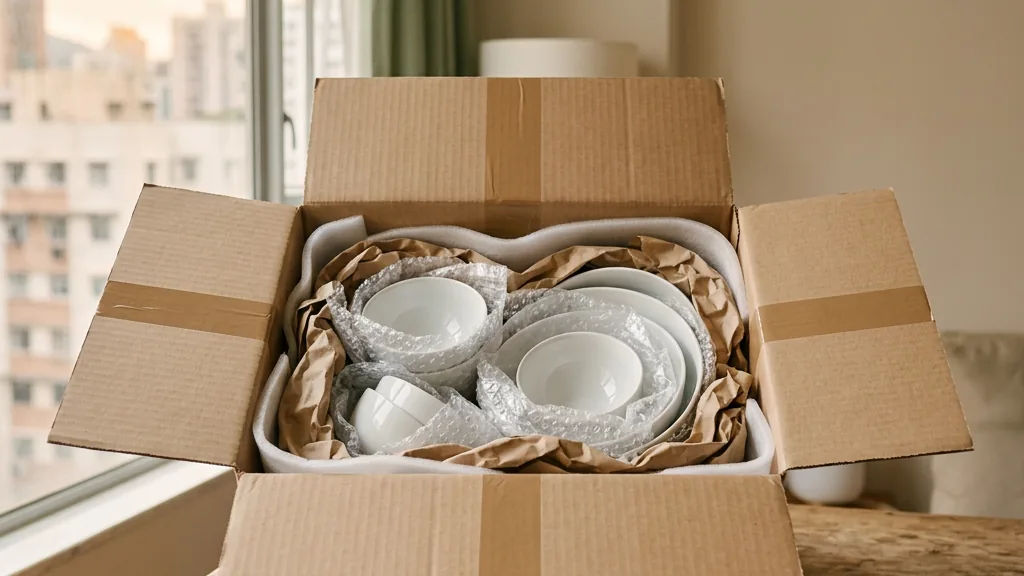
Selecting the right packaging depends on the nature of your items. Using sturdy materials and sealing them properly protects your stored belongings. For fragile or valuable items, consult professionals.
In a fast-paced life, mini storage is a practical solution. To ensure items remain in good condition, selecting appropriate packaging materials is essential. Correct packing helps protect items and optimize space. This article explores how to choose suitable materials for storage.
Understand Item Characteristics
Before choosing packaging, consider the nature of your items. Different materials require specific handling. Fragile goods or items needing protection from dust and moisture, like clothing or books, should be packed with appropriate materials.
Commonly Used Packaging Materials
Here are some commonly used packaging materials and their characteristics:
Bubble bags: Commonly used for cushioning fragile items. Ensure items are fully wrapped to reduce the risk of impact during handling.
Foam boards: Suitable for supporting large or heavy items. These materials provide structural cushioning to help distribute pressure during storage.
Cartons: Using sturdy, high-quality boxes helps protect items and facilitates stacking. Selecting cartons with adequate thickness is recommended.
Plastic bags: Used for packing clothing or dust-prone items. These provide basic protection but should be kept away from direct sunlight.
Desiccants: You may include commercial desiccant packs when storing items to assist with environment management for long-term storage.
Packaging Skills
To improve the effectiveness of packaging, here are some practical packaging skills:
Layering: For diverse items, use layered packaging to separate materials and prevent direct contact between objects.
Fill gaps: Always fill any remaining space in a box to prevent movement. Use appropriate padding materials to keep items secure.
Mark the packaging box: After packaging is completed, remember to mark the contents and precautions on the box, so it will be more convenient when taking them out.
Sealing: Use industrial-grade tape to seal boxes, ensuring the structural integrity of the packaging to reduce the risk of dust or loss.
Seeking Professional Team Help
If you are unsure about material selection or the process, consult professional storage staff. Their experience can provide useful advice for better protection of your belongings.
Choosing suitable packaging is crucial for protecting your mini storage items. Through assessing material characteristics and proper techniques, you can ensure your items are protected. Seek professional help if you encounter difficulties.
One Plus One Storage Services
The following is historical information. One Plus One Storage previously provided professional storage solutions to meet urban spatial demands. Current service terms are subject to direct inquiry.
Our mini storage covers various sizes; whether customers need small storage space for personal items or large storage space for company documents or furniture, we can provide suitable solutions. Furthermore, our pricing is fair and transparent, and we offer flexible lease terms, allowing customers to choose flexibly based on their own needs, whether for long-term or short-term leases.
Welcome to request a quote or inquiry: Click here to contact us via WhatsApp
- Address: Room 16-17, 9/F, Nan Fung Commercial Centre, 19 Lok Yip Street, Kowloon Bay
- Tel: 3188 1889
- WhatsApp: 6928 9628
- Email:enquiry@opostorage.com
Feel free to contact us anytime, let us provide you with professional mini storage services!
Practical storage and planning
- Select protective packaging appropriate for the item's material, such as fragile goods or textiles.
- Fill all gaps within boxes to prevent movement during handling and storage.
- Label all boxes clearly with contents and access instructions for better management.
Frequently asked questions
What packaging materials are best for long-term mini storage?
Industrial-grade sturdy cartons and dust covers are recommended; avoid degradable low-quality plastics to ensure long-term structural support.
What should I do if my items show signs of damage after packing?
Stop DIY repairs immediately; consult a professional specialist for evaluation and restoration if the item is valuable or structurally compromised.
Further reading: US National Archives guidance on storing papers and photographs; Canadian Conservation Institute guidance by material