
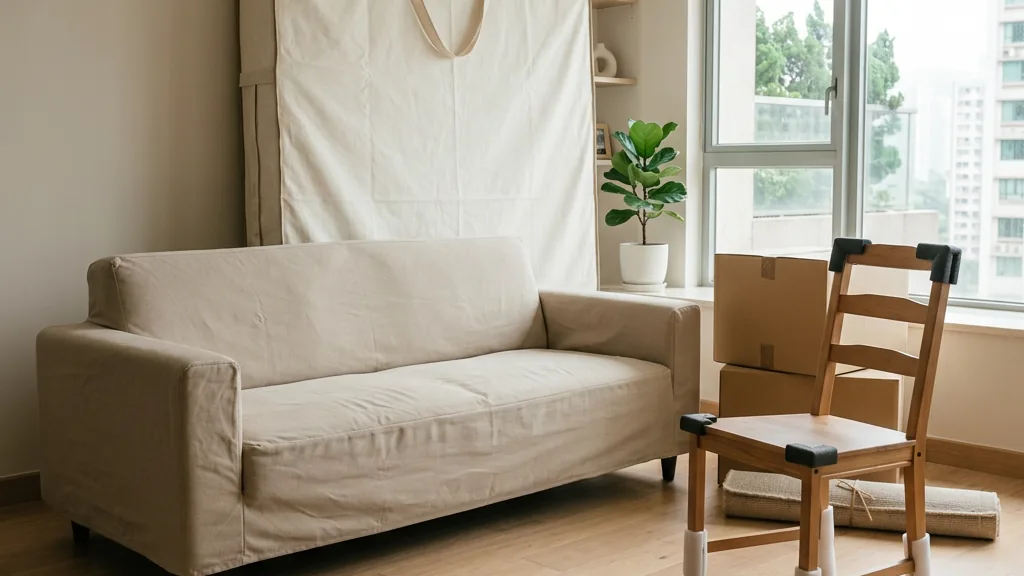
Assess storage needs and categorize items before storing. Optimize space by using vertical stacking and organized boxes, while ensuring items are properly wrapped. Seek professional advice for valuable items.
With the shrinking of living space and changes in lifestyle, mini-storage has become an ideal choice for many people to store furniture and large items. When moving, renovating, or storing short-term, reasonably using mini-storage can help you manage space effectively and keep your home environment tidy. However, storing large items requires some techniques to ensure the safety of the items and the maximization of space. This article will share practical suggestions on how to store furniture and large items in mini-storage.
Determine the size of the storage space
Before starting to store, first determine the required mini-storage size. Different furniture and large items occupy different spaces. Choosing the appropriate mini-storage size can effectively avoid space waste. Generally, standard mini-storage sizes range from small to large. When choosing, it is recommended to evaluate reasonably based on the size and quantity of items to ensure that all items can be accommodated.
Fully utilize storage space
When storing furniture and large items in mini-storage, reasonable use of storage space is key. First, store large items such as bed frames, sofas, etc., upright, which can save floor space. Secondly, you can place small furniture such as chairs, tables, etc., inside large items, making full use of every inch of space. In addition, use sturdy storage boxes or plastic containers to store small items, which not only keeps them tidy but also avoids damage to items.
Classify and organize items
Before storing, it is very important to classify and organize items. Put items of similar types together and use labels to indicate the contents so that they can be found quickly when needed. In addition, you can place commonly used items in easily accessible positions, while infrequently used items are placed in the back or at the bottom. Such an organization method can not only improve access efficiency but also reduce the risk of item damage.
Protective measures
When storing large furniture, consider taking protective measures to minimize the risk of damage. Use appropriate protective packaging to cover furniture surfaces and ensure a tidy storage environment. For valuable or fragile items, please consult with professional conservation specialists.
Consider storage duration
Choose different storage methods according to the length of storage time. If it is only short-term storage, such as a few days or weeks, you can simply stack the items together. But if it is long-term storage, it is recommended to adopt more detailed organization and protective measures and regularly check the condition of the items. This ensures that the items remain in good condition after long-term storage.
Finding professional team help
If you are confused about how to effectively store large furniture or need professional advice, consider looking for a professional moving and storage team. They have rich experience and can provide suitable storage plans and suggestions based on your needs, helping you efficiently utilize mini-storage space. In addition, professional teams can assist in moving large items to ensure safety and efficiency.
Reasonably storing furniture and large items in mini-storage can not only improve space utilization but also protect items from damage. By determining the appropriate storage space, fully utilizing space, classifying and organizing, taking protective measures, and considering storage duration, you can easily manage storage space. Hopefully, the suggestions in this article will help you store furniture efficiently in mini-storage, making your life more convenient and comfortable.
One Plus One Storage Services
One Plus One Storage provides professional mini-storage services, dedicated to offering flexible, convenient, and reasonably priced storage solutions to the public. We deeply understand the issue of land supply shortages in Hong Kong's urbanization process, as well as the current situation where changing work patterns have led to an increasing demand for household storage space among citizens. Therefore, we created One Plus One Storage to respond to these growing needs.
Our mini-storage covers various sizes. Whether customers need small storage space for personal items or large storage space to store company documents or furniture, we can provide suitable solutions. In addition, our pricing is fair and transparent, and we offer flexible lease terms. Whether it is a long-term or short-term lease, customers can flexibly choose according to their needs.
Welcome to request a quote or inquiry: Click to contact us via WhatsApp
- Address: Room 16-17, 9/F, Nan Fung Commercial Centre, 19 Lam Lok Street, Kowloon Bay
- Phone: 3188 1889
- WhatsApp: 6928 9628
- Email:enquiry@opostorage.com
Feel free to contact us at any time, and let us provide you with professional mini-storage services!
Practical storage and planning
- Assess your storage needs based on furniture dimensions to avoid inefficient space usage.
- Utilize vertical space and label categorized items to improve accessibility.
- Protect furniture surfaces with packing materials and consult professionals for valuable assets.
Frequently asked questions
What should I do if my furniture is damaged during storage?
Avoid further handling and contact a professional furniture restorer or conservation specialist for an assessment instead of attempting DIY repairs.
How do I know if my furniture is suitable for a standard mini-storage unit?
For items made of sensitive materials or antiques, consult preservation guidelines or professional maintenance experts regarding storage environmental requirements.
Further reading: Canadian Conservation Institute guidance by material