
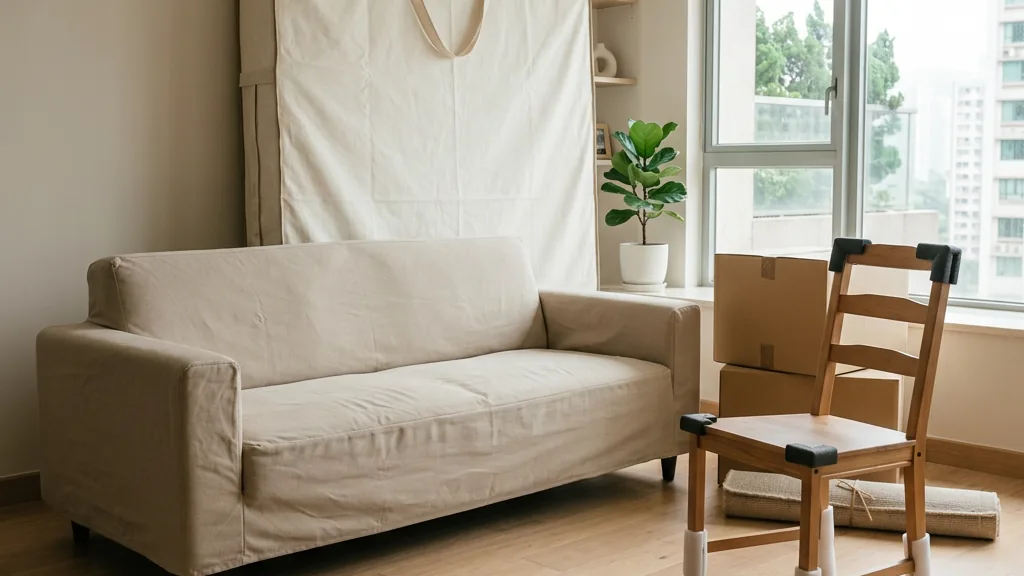
Furniture stored in closed environments is prone to issues like moisture buildup, odors, and pests, which may lead to aging or deformation. Ensure well-ventilated storage conditions or consult professional storage services.
Many people choose to store unused furniture in rooms, basements, or vacant houses during life changes. If these spaces lack air circulation and light, environmental factors may continuously affect the furniture. Furniture kept in poorly ventilated conditions for long periods may face risks to its physical properties and durability.
Moisture and mold grow quietly in dark environments
In relatively enclosed spaces, lack of air circulation may cause moisture to accumulate locally. This environment is not ideal for solid wood, composite, or leather furniture. Wood fibers may react to ambient humidity, while leather items may undergo surface changes due to stagnant air. If mold or damage is observed, contact a professional conservator.
Metal accessories and internal structures gradually oxidize and get damaged
Hardware inside furniture may be affected by air quality in poorly ventilated areas. Sofa springs, drawer runners, hinges, and decorative frames may experience surface changes if exposed to long-term humidity or stagnant air, affecting their operation. If you notice rust or stiffness, consult a professional restorer for assistance.
Stagnant air makes odors and volatile substances difficult to dissipate
Manufacturing materials like adhesives and paints may release volatile substances. In well-ventilated settings, these dissipate naturally. In fully enclosed, stagnant spaces, these odors can accumulate. Over time, this may result in a noticeable smell within the storage unit; ensure regular ventilation in your storage area.
Hidden corners become breeding grounds for tiny pests
Enclosed, dark, and stagnant storage areas may become habitats for tiny pests. Cardboard, wood crevices, and fabric sofa corners are vulnerable in non-ventilated climates. Maintain cleanliness and inspect wooden furniture regularly. If signs of pest activity appear, contact professionals rather than using DIY pest control methods.
Temperature and humidity fluctuations risk aging the materials
In spaces without climate or proper ventilation control, indoor temperature and humidity levels shift with the seasons. Composite furniture components may react differently to these fluctuations. Long-term exposure to unstable environments may affect adhesives or joints, potentially causing minor warping. If deformation occurs, seek professional maintenance advice.
Seeking Professional Support
For valuable furniture, home storage in suboptimal, enclosed spaces carries risks of damage. Seeking professional space management services may offer a safer and more stable compromise for your belongings. Feel free to contact our team to learn about furniture preservation and space planning services.
One Plus One Storage Services
One Plus One Storage provides professional mini-storage services, committed to offering flexible, convenient, and reasonably priced storage solutions. We deeply understand the challenges of land supply shortages in Hong Kong's urbanization process and the shift in working models increasing demand for residential space. Therefore, we founded One Plus One Storage to address these growing needs.
Our mini-storage units come in various sizes; whether you need a small space for personal items or a large one for company documents or furniture, we offer suitable solutions. Furthermore, our pricing is fair and transparent, with flexible rental terms for both long and short-term needs.
For quotes or inquiries: Click to contact us on WhatsApp
- Address: Room 16-17, 9/F, Nan Fung Commercial Centre, 19 Lam Lok Street, Kowloon Bay
- Tel: 3188 1889
- WhatsApp: 6928 9628
- Email:enquiry@opostorage.com
Contact us anytime for professional storage services!
Practical storage and planning
- Store furniture in a well-ventilated, dry area away from direct sunlight.
- Monitor the storage environment regularly to prevent stagnant air.
- Consult professional conservators for valuable or delicate furniture items.
Frequently asked questions
How to determine if a space is suitable for furniture storage?
Ensure the space allows for constant airflow and shows no signs of moisture or pest issues. For valuable items, seek professional storage facilities with controlled environments.
What should be done if furniture develops odors or signs of deterioration?
Move the item to a ventilated area. If the damage is significant or uncertain, consult a professional restorer instead of attempting cleaning on your own.
Further reading: Canadian Conservation Institute guidance by material