
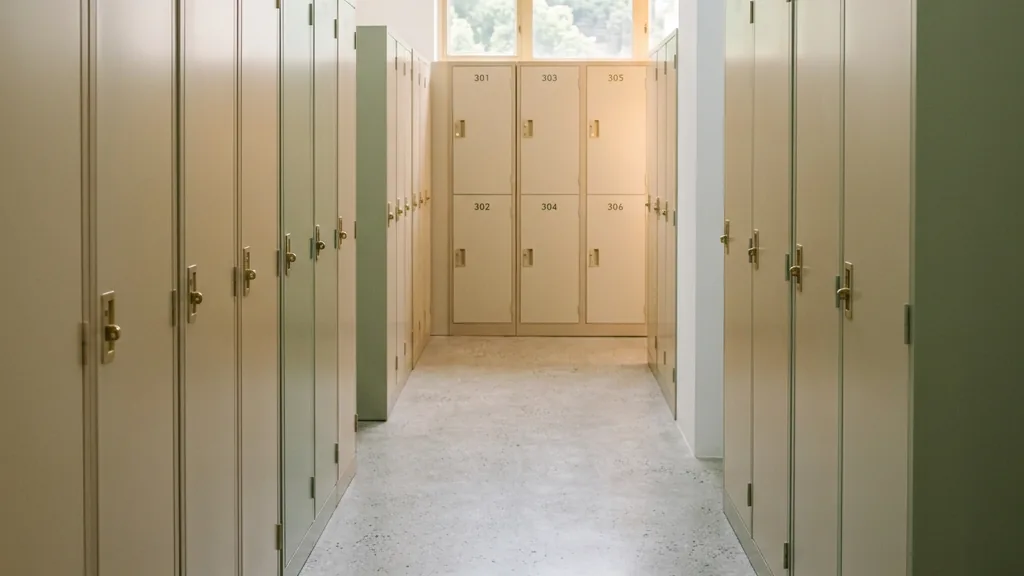
By selecting a secure and conveniently located facility, and organizing items by frequency of use, you can free up valuable living space and maintain order at home.
Living spaces for Hong Kong residents are generally small; understanding how to effectively utilize limited living space and properly manage household items is crucial. This article provides a comprehensive guide to self-storage in Hong Kong, covering topics such as choosing a facility, categorizing items, and storage techniques.
Choosing the Right Self-Storage
Renting self-storage in Hong Kong is a very practical solution. When choosing a facility, consider the following:
1. Convenience: Choose a facility near your home or workplace for easy access.
2. Size: Assess your needs and choose a unit size that maximizes space without waste.
3. Security: Choose a facility with a comprehensive security system to ensure the safety of your items.
4. Rental Terms: Carefully review contract terms, especially regarding lease duration and fee structures.
Categorization Strategies
Reasonably classifying household items is the key to storage. You can categorize based on usage frequency or functional attributes:
1. Daily Essentials: Place in the most accessible locations.
2. Seasonal Items: Items like winter clothing or swim gear can be stored in self-storage.
3. Backup Items: Such as spare appliance parts, can be stored in self-storage.
Valuable Collections: For items with historical significance or fragile conditions, consult professional conservators for appropriate handling rather than storing them unattended.
Mastering Efficient Storage Techniques
Leveraging storage techniques is the key to maximizing limited space:
1. Vertical Storage: Utilize vertical space with shelving units.
2. Compartmentalization: Use storage bins and dividers to effectively separate items.
3. Labeling: Clearly label bins or shelves for easy retrieval.
4. Periodic Organization: Regularly check your unit and dispose of items no longer in use.
By choosing the right facility, categorizing items, and mastering efficient storage, you can significantly improve organization and free up valuable living space. In a cramped living environment, utilizing self-storage is a wise choice. Self-storage helps you handle household storage challenges, adding convenience and comfort. As the saying goes, "cleanness is like a mirror"; an orderly space not only improves quality of life but also provides a sense of security and belonging.
One Plus One Storage Services
One Plus One Storage provides professional self-storage services, committed to offering flexible, convenient, and reasonably priced storage solutions. We deeply understand the challenges of land shortages during Hong Kong’s urbanization and the changing work patterns that have increased the demand for home space. Consequently, we established One Plus One Storage to meet these growing needs.
Our storage units come in various sizes; whether you need a small space for personal belongings or a large one for business files or furniture, we have the right solution. Furthermore, our pricing is fair and transparent, and we offer flexible lease terms for both short and long-term storage.
For quotes or inquiries: Click to contact us via WhatsApp
- Address: Room 16-17, 9/F, Nan Fung Commercial Centre, 19 Lam Lok Street, Kowloon Bay
- Tel: 3188 1889
- WhatsApp: 6928 9628
Contact us anytime for professional self-storage services!
Practical storage and planning
- Assess storage needs and inspect the facility's security and accessibility.
- Categorize items by usage frequency and store seasonal or backup goods off-site.
- Utilize shelving and clear labeling to organize items and conduct regular status checks.
Frequently asked questions
What should I do if my stored items show signs of damage?
Contact a professional conservator for evaluation; avoid DIY repairs to prevent further damage or loss of value.
Are the listed pricing and rental terms still applicable today?
The pricing and contract terms mentioned are historical records; please contact the operator directly for current quotes and agreements.
Further reading: US National Archives guidance on storing papers and photographs; Canadian Conservation Institute guidance by material