
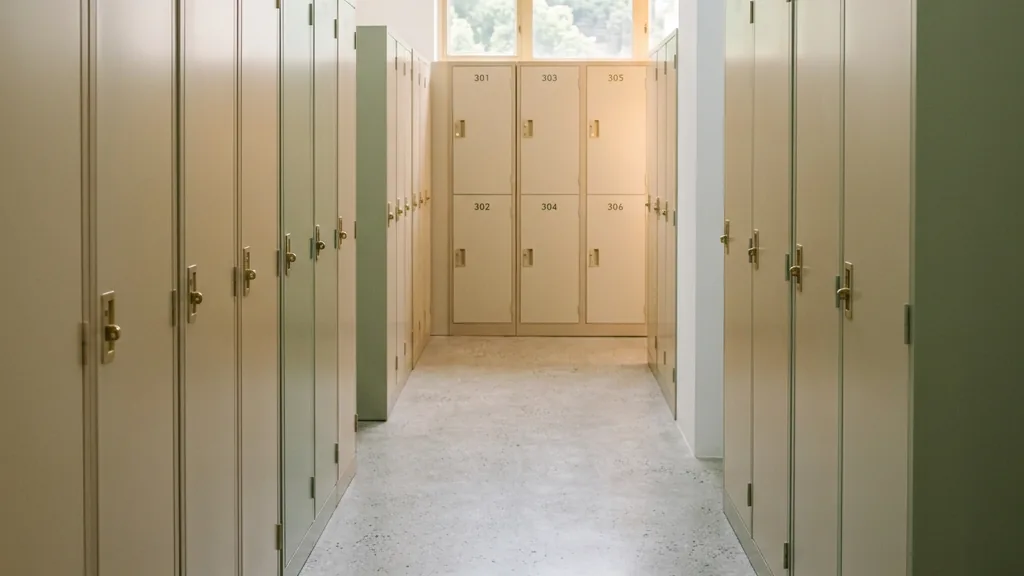
Selecting a storage unit involves assessing location, security, and lease flexibility. Proper organization using inventories and vertical space maximizes capacity and accessibility.
With the shrinking of urban living spaces, the demand for mini storage has been growing. Mini storage provides a convenient and flexible storage space, allowing you to effectively store seasonal items, collectibles, or furniture that you do not need for the time being. However, how to choose the right mini storage and properly utilize these spaces has become a concern for many people. This article will provide a comprehensive guide to help you maximize the efficiency of your mini storage.
Considerations for choosing the best mini storage
When choosing mini storage, there are several key factors to consider:
Location: Choosing a mini storage near your home or workplace will make it more convenient to access your items.
Size: Choose a suitable mini storage unit based on the quantity and size of items you need to store.
Security: Ensure the mini storage provides good security measures, such as 24-hour monitoring and anti-theft systems.
Climate Considerations: For items sensitive to environment, evaluate whether the storage facility's conditions align with your storage requirements.
Contract Flexibility: Choose a mini storage that offers flexible lease terms, so you can increase or decrease storage space or terminate the lease at any time according to your needs.
Organization and storage tips
Effective storage is not just about placing items in the mini storage at will; following the following tips can help you better utilize the space:
Inventory Management: Create an inventory list and label the contents of each box or container to quickly find the items you need.
Categorized Storage: Store items by category, for example, store books, clothing, and decorations in different areas.
Utilize Vertical Space: Use high racks or stack boxes to maximize storage space.
Leave space for aisles: Leave enough aisles in the mini storage so that you can access any item without moving everything out.
Protective packaging: Use bubble wrap or other protective packaging materials for fragile or valuable items.
One Plus One Storage Services
One Plus One Storage provides professional mini storage services, dedicated to offering citizens flexible, convenient, and reasonably priced storage solutions. We have a deep understanding of the problem of land supply shortages in Hong Kong's urbanization process, and the current situation where changes in working patterns have led to an increasing demand for home space among citizens. Therefore, we founded One Plus One Storage to respond to these growing needs.
Our mini storage units cover a variety of sizes; whether customers need small storage space for personal items, or large storage space for storing company documents or furniture, we can provide suitable solutions. In addition, our pricing is fair and transparent, and we offer flexible lease terms; whether for long-term or short-term, customers can choose flexibly according to their own needs.
Welcome to request a quote or inquire: Click here to contact us on WhatsApp
- Address: Room 16-17, 9/F, Nan Fung Commercial Centre, 19 Lam Lok Street, Kowloon Bay
- Tel: 3188 1889
- WhatsApp: 6928 9628
Feel free to contact us anytime, let us provide you with professional mini storage services!
Practical storage and planning
- Evaluate your storage needs and verify that the facility's location and security meet your requirements.
- Create an inventory list and label all boxes to keep track of your stored items clearly.
- Use shelving and vertical stacking techniques while ensuring aisles remain open for easy access.
Frequently asked questions
What should I consider when storing valuable or sentimental items?
Avoid storing highly delicate or precious items; if necessary, consult with professional conservators for appropriate storage advice.
How is a change in storage space needs typically managed during a lease?
Lease terms vary by provider, so please check with the facility regarding their current policies on unit size changes.
Further reading: US National Archives guidance on storing papers and photographs