
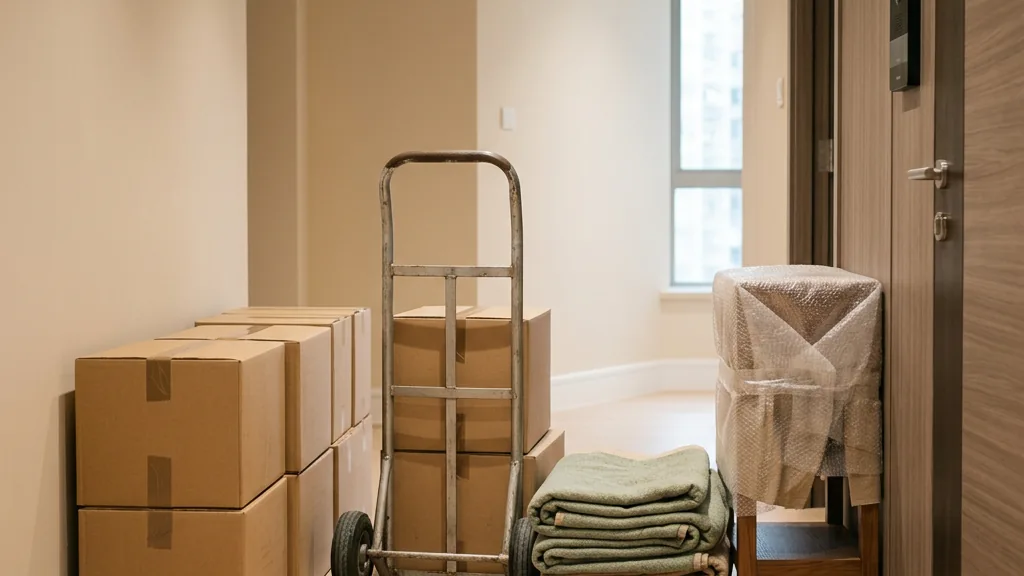
A light asset lifestyle, utilizing modular furniture, digital document storage, and occasional external storage, minimizes physical burdens and enhances spatial flexibility for frequent renters.
For renters living in urban areas, faced with job changes, lease expirations, or different pursuits for living environments, moving often becomes a routine that happens every few years or even every year. The process of packing luggage and boxes is not only physically and time-consuming, but looking at those heavy and difficult-to-move furniture and clutter often makes people feel trapped by items. In order to maintain composure in a fluid life, more and more renters who move frequently are turning to a "light asset" lifestyle, by reducing excessive possession of physical objects to exchange for more free and flexible living space.
Valuing the choice of multi-functional and lightweight, easy-to-disassemble furniture
In the process of moving frequently, large and heavy traditional furniture often becomes a heavy burden during relocation, and may even be impossible to reuse due to the different layout and size of the new and old residences. Therefore, the light asset life mindset is more inclined to choose modular furniture that is lightweight in volume, has folding functions, or is easy to disassemble. This type of design can not only flexibly adapt to different room layouts in daily use but can also be easily packed when moving; some renters even choose furniture services by renting instead of buying to fundamentally reduce physical weight when moving.
Digital transformation reduces the accumulation of physical objects
Many miscellaneous items that occupy space in life often come from books, CDs, photo albums, or various paper documents and receipts. For people who need to move frequently, actively promoting the digitalization of life is a very practical organizing skill. Through e-book readers, cloud storage space, and online streaming platforms, keeping text and audio-visual memory in the virtual world not only significantly reduces the volume of physical bookshelves and storage boxes but also makes the knowledge and memories carried with you burden-free, allowing every living environment to be kept in the most simplified state.
Flexible use of renting instead of buying and sharing economy
In the past, we were used to regarding "possession" as the source of peace of mind, but with the development of the sharing economy, many high-value or low-frequency items needed for life can actually be satisfied through renting or sharing. For example, camping equipment that is only used in certain seasons, formal attire occasionally needed for important occasions, or high-pressure cleaners only needed during deep cleaning. Adopting the concept of using instead of owning can not only meet current life needs without worrying about these items occupying limited rental space at ordinary times, but also save the trouble of moving them back and forth when moving.
Establishing a dynamic balance mechanism for item entry and exit
The key to maintaining a light asset lifestyle lies in keeping the total amount of materials in the home within a controllable range. Whenever adding a new piece of clothing, kitchenware, or daily necessities, try to process one old item of the same type at the same time, the so-called "one in, one out" principle. Periodically letting items that are no longer frequently used enter circulation through second-hand platforms, donations, or giving them to friends in need not only helps one to review consumption habits at any time, but also ensures that when receiving the next moving notice, the total amount of luggage is still within a range that one can easily control.
Refining core life necessities and cultivating a casual mindset
The quality of life often lies not in the number of items, but in whether every remaining thing can truly enhance the current living experience. After moving a few times, we will usually gradually discover that the core items that are actually used every day are few and far between. Learning to distinguish between "need" and "want," and focusing energy on managing the spiritual assets that can be carried with you, such as personal skills, health, or rich experiences, this transformation in mindset often allows renters to quickly build their own sense of belonging when facing different living spaces.
Seeking help from a professional team
When facing frequent moving, balancing the retention of precious items with a light asset lifestyle requires careful consideration. When storage space is limited during transitions, utilizing external facilities can provide added flexibility. We have previously provided spatial consultation and storage solutions; for the preservation of delicate or valuable items, we recommend consulting professional conservators for appropriate guidance.
One Plus One Storage Services
One Plus One Storage provides professional mini storage services, dedicated to offering citizens flexible, convenient, and reasonably priced storage solutions. We deeply understand the issue of land supply shortages in the urbanization process of Hong Kong, as well as the status quo where changing work patterns lead to increased demand for home space by citizens. Therefore, we founded One Plus One Storage to respond to these growing needs.
Our mini storage units cover a variety of sizes; whether customers need a small storage space for personal belongings or a large storage space for company files or furniture, we can provide suitable solutions. In addition, our pricing is fair and transparent, and we offer flexible lease terms, allowing customers to choose flexibly based on their own needs, whether for long-term or short-term rental.
Welcome to request a quote or inquire: Click to contact us on WhatsApp
- Address: Room 16-17, 9/F, Nan Fung Commercial Centre, 19 Lam Lok Street, Kowloon Bay
- Tel: 3188 1889
- WhatsApp: 6928 9628
- Email:enquiry@opostorage.com
Feel free to contact us anytime, and let us provide you with professional mini storage services!
Practical storage and planning
- Select modular furniture that is lightweight and easy to disassemble.
- Digitize paper records and photos to store them in virtual cloud systems.
- Regularly audit possession usage and consider external storage for seasonal items.
Frequently asked questions
How can I determine which items are suitable for external storage?
Items suitable for off-site storage include seasonal apparel, event-specific decorations, or infrequently used personal belongings that you wish to keep.
How does external storage assist during a transition period?
External storage offers a secure, temporary space during lease transitions, preventing potential damage to items during hasty moves.
Further reading: US National Archives guidance on storing papers and photographs