
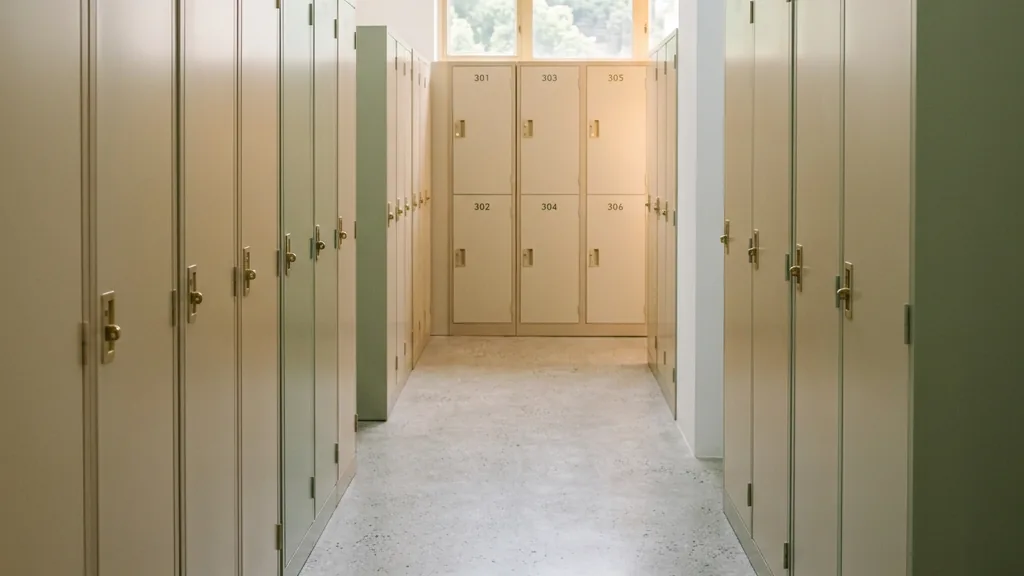
Prioritize storage security by checking the effectiveness of ventilation and climate control systems. Confirm that pest and fire safety measures are in place and avoid units with signs of water damage. For fragile items, consult professional storage or conservation experts.
Hong Kong's weather is notoriously humid, and whenever the humid 'Return of the Humid' season or rainy season comes, the moisture at home can literally be wrung out. For collectors, whether it's out-of-print comics, limited-edition models, designer handbags, or expensive cameras, the biggest fear is not beating the humidity. Opening a cabinet door to find your cherished treasures covered in black mold or oxidized and yellowed is truly heartbreaking!
To save these treasures, many choose to rent mini storage (low-rent warehouses) available on the market. However, if you are greedy for low prices and choose a warehouse with poor conditions, you might inadvertently send your treasures into another 'moldy hell'. To ensure your treasures are safe and sound, you must strictly control these four rules to avoid pitfalls before signing a contract!
Rule 1: Real 24-hour constant temperature and humidity system
Many low-price warehouses advertise 'air conditioning equipment', but the devil is in the details! Some unscrupulous warehouses, to save on electricity bills, only turn on air conditioning during office hours, and turn it off completely at night or on public holidays, or just use a few exhaust fans for ventilation.
Temperature and humidity fluctuations can affect items. Quality warehouses typically maintain consistent ventilation and environmental control systems to minimize moisture accumulation risks.
Rule 2: Constant pest and rodent prevention mechanisms
Low-rent warehouses usually have various tenants; you never know what kind of clutter is stored in the next unit. If someone secretly and violates rules by putting in food, or uses old cardboard boxes with insect eggs, it is very easy to attract cockroaches, silverfish (bookworms), and even rats, biting up your precious collectibles.
When visiting the warehouse, you must notice whether there are pest poison bait or mouse traps in the corners of the corridors, and actively ask the staff whether the company hires professional pest control companies periodically (e.g., once a month) for all-round prevention.
Rule 3: Fire safety regulations and safety specifications
Treasures are worth a fortune; the biggest fear is encountering a disaster. Since the mini storage fire a few years ago, the government's fire safety requirements for warehouses have been extremely strict.
Never rent illegal hidden warehouses with cramped partitions and narrow aisles. Quality warehouses must comply with the latest guidelines from the Fire Services Department, including having an automatic sprinkler system, maintaining a safety distance of at least 1 meter between the top of the storage grid and the ceiling, meeting aisle width requirements, and using fireproof materials for partitions. This is not only to protect your belongings but also to protect your life safety every time you enter and retrieve items.
Rule 4: Beware of leaks and flooding black spots
In addition to fire prevention, waterproofing is equally important. Some extremely low-rent warehouses might be located in the basement of the building or in rooftop tin houses, where rainwater backflow or severe leakage is extremely easy to occur during typhoons and rainy days.
When inspecting the warehouse, please look up to observe whether there are crisscrossing exposed water pipes on the ceiling, and whether there are yellowing or blistering old water stains on the walls. Try to choose middle-tier storage units located on higher floors and away from the building's main drainage pipes to avoid potential burst water pipe crises.
Seek professional team assistance
After understanding these four rules, you will find that visiting multiple warehouses on your own to measure, check fire safety equipment, and probe details of air conditioning systems is absolutely a task that consumes extreme time and effort. Plus, personally packing and moving highly fragile precious treasures into storage, a slight collision can cause irreparable loss.
To properly protect collectibles, consider using professional storage services with adequate safety measures. If items are fragile, seek assistance from professional packing and preservation teams to minimize handling risks.
One Plus One Storage Services
One Plus One Storage provides professional mini storage services, dedicated to offering citizens flexible, convenient, and reasonably priced storage solutions. We have an in-depth understanding of the land supply shortage during Hong Kong's urbanization and the current trend where changes in work patterns have led to an increasing need for home space. Therefore, we founded One Plus One Storage to respond to these growing demands.
Our mini storage units come in a variety of sizes; whether customers need small storage space for personal items or large storage space for company files or furniture, we can provide suitable solutions. Furthermore, our pricing is fair and transparent, and we offer flexible lease terms, allowing customers to choose flexibly based on their own needs, whether for long-term or short-term rental.
Welcome to request a quote or make inquiries: Click to contact us via WhatsApp
- Address: Room 16-17, 9/F, Nan Fung Commercial Centre, 19 Lam Lok Street, Kowloon Bay
- Phone: 3188 1889
- WhatsApp: 6928 9628
- Email:enquiry@opostorage.com
Feel free to contact us anytime; let us provide you with professional mini storage services!
Practical storage and planning
- Visit the facility to verify the presence of active climate control and consistent pest management systems.
- Check for fire safety compliance, such as clear access aisles and the use of fireproof materials.
- Inspect ceilings and walls for signs of moisture, avoiding storage units located near water pipes.
Frequently asked questions
How can I assess if a facility's moisture and pest control are adequate?
Look for signs of professional pest management equipment like traps in corridors and ask staff about their regular maintenance schedule and environmental monitoring.
What should I do if my collection is damaged?
Avoid DIY cleaning or repairs. For valuable or fragile items, contact qualified professionals specialized in preservation or restoration.
Further reading: US National Archives guidance on storing papers and photographs; Canadian Conservation Institute guidance by material