
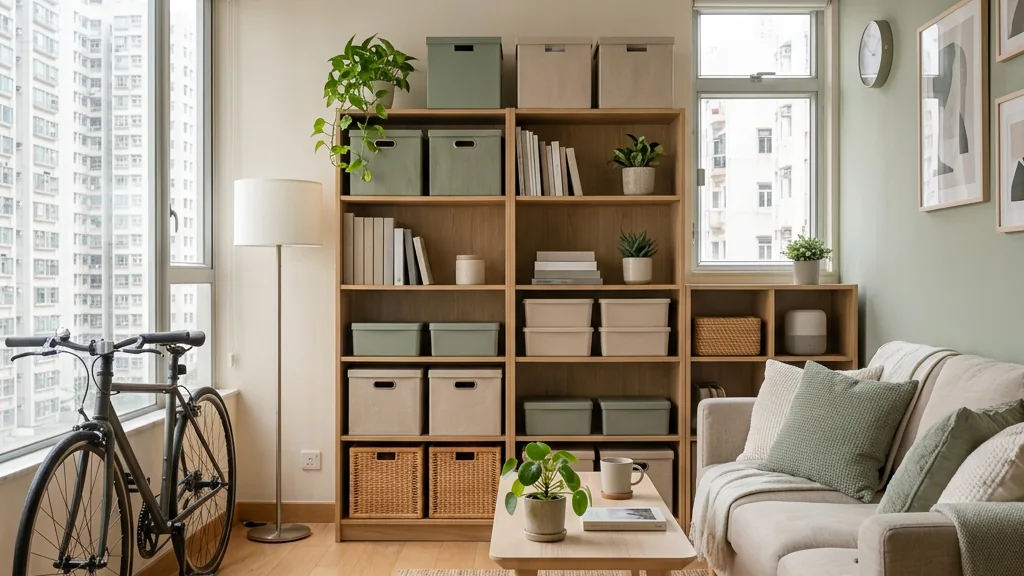
Self-storage provides flexible space to house meaningful items that do not fit in new homes. By prioritizing respectful communication and selecting a secure, well-managed facility, families can protect both the elderly's emotional well-being and their living space.
Many families face a common but tricky problem when the elderly retire or move: the sheer volume of old items accumulated over the years exceeds the capacity of their new homes, yet these items hold deep emotional value for them. Forcing disposal may cause the elderly distress or resistance, while moving everything into the new home is impractical. Self-storage, as a flexible storage solution, provides the perfect middle ground for such families.
The emotional attachment the elderly have to old items
The emotional attachment the elderly have to old items often exceeds what most people understand. A piece of old clothing, a set of vintage tableware, or a yellowing photo album may hold decades of life memories and emotional sustenance for them. In the context of Hong Kong's rapid development, the elderly, having experienced times of material scarcity, often cherish items more deeply. Additionally, old items are closely tied to deceased loved ones, past times, and personal identity. Therefore, judging such items solely by their "usefulness" or "uselessness" is insensitive. Understanding and respecting the emotional needs of the elderly is the first step toward handling the issue properly.
The reality of space constraints
However, the practical constraints of living space in Hong Kong cannot be ignored. After retirement, many elderly people move into smaller units, significantly reducing available storage space. Moving all items into a new home would not only make the living environment cramped but could also affect daily routines and safety. Certain items, such as large furniture, out-of-season clothing, and infrequently used appliances, actually occupy space while being used very rarely. How to accommodate the most meaningful items for the elderly within limited space, while properly handling the rest, is a challenge that families need to face together.
Self-storage as a bridge between emotion and space
Self-storage plays a key role in such situations. Families can sort through items with the elderly, keeping the most memorable items that they often want to look at at home, and packing the rest to be stored in a self-storage facility. This arrangement respects the emotional needs of the elderly while effectively freeing up space in the new home. The elderly will feel psychologically reassured that their precious items are being properly preserved rather than discarded, which helps reduce the anxiety and restlessness caused by moving. At the same time, self-storage can also serve as a transitional solution, allowing the elderly to gradually decide which items to retrieve and which to release after they have adapted to their new home.
How to communicate storage arrangements with the elderly
When discussing the handling of old items with the elderly, the method of communication is crucial. It is recommended to avoid negative language such as "these things are useless" or "they should be thrown away," and instead express it in ways like, "we will help you keep these safe for now, and you can get them whenever you want to see them." Letting the elderly participate in the selection process and giving them full decision-making power can effectively reduce feelings of resistance. Some families even reminisce about the stories behind the items with the elderly during the sorting process, which not only promotes intergenerational communication but also helps the elderly understand which items are most worth keeping and which can be safely released.
Seeking professional help
When selecting a self-storage service, it is recommended to seek professional advice and choose a facility with reliable management. For items of sentimental value, use appropriate packaging materials to minimize environmental impact. Priority should be given to well-ventilated facilities with 24-hour surveillance and convenient access to facilitate retrieval when needed.
One Plus One Storage Services
One Plus One Storage provides professional self-storage services, dedicated to offering citizens flexible, convenient, and reasonably priced storage solutions. We deeply understand the issues of land supply shortages in Hong Kong's urbanization process, as well as the current situation where changing work patterns have led to an increasing need for home storage space. Therefore, we established One Plus One Storage to respond to these growing needs.
Our self-storage facilities cover a variety of sizes. Whether customers need a small storage space for personal items or a large storage space for company documents or furniture, we can provide suitable solutions. In addition, our pricing is fair and transparent, and we offer flexible lease terms, allowing customers to choose flexibly based on their own needs, whether for short-term or long-term leases.
Welcome to request a quote or inquiry: Click to contact us via WhatsApp
- Address: Room 16-17, 9/F, Nan Fung Commercial Centre, 19 Lam Lok Street, Kowloon Bay
- Phone: 3188 1889
- WhatsApp: 6928 9628
- Email:enquiry@opostorage.com
Feel free to contact us at any time, and let us provide you with professional self-storage services!
Practical storage and planning
- Sort items with the elderly to identify those kept at home versus those for off-site storage.
- Choose a well-managed storage facility that offers good ventilation and convenient access.
- Use appropriate storage materials to organize and protect items before moving them into storage.
Frequently asked questions
How can I better communicate the storage plan to reluctant elderly family members?
Frame the move as a secure, professional preservation measure rather than disposal, emphasizing that items remain accessible whenever they wish.
What advice do you have for storing sensitive sentimental items like old photos?
Seek advice from professional conservators regarding proper storage materials and techniques to ensure your items are kept safely.
Further reading: US National Archives guidance on storing papers and photographs; Canadian Conservation Institute guidance by material