
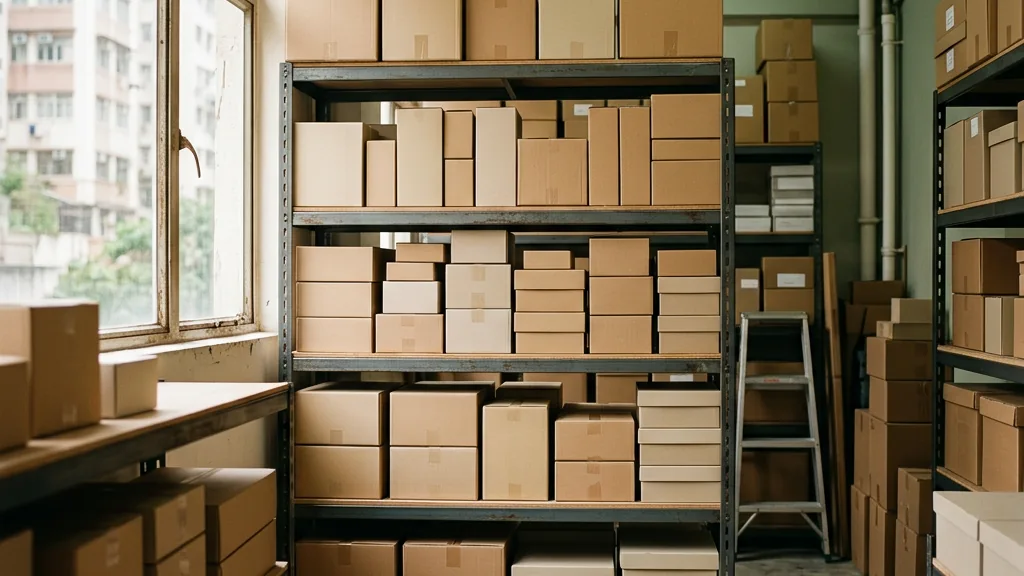
Teams in shared offices can improve workflow by offsite storing infrequently used documents and equipment. Proper categorization and labeling ensure easy retrieval and prevent redundant purchases, helping maintain a tidy, professional environment.
Shared offices prioritize flexibility and efficiency, but material management is often easily overlooked. If office stationery, event supplies, promotional materials, documents, spare equipment, and small furniture are all placed inside the office, they may occupy public space and affect daily work flow. For teams renting shared offices, properly using storage for material diversion can make the office environment tidier and facilitate access to items as needed.
Office space is not suitable for too many sundries
Shared office seats, meeting rooms, and public areas usually focus on efficiency. If cardboard boxes, exhibition supplies, packaging materials, or spare equipment are stacked in the office for a long time, the space may become crowded. Some items may not be used every day but are not ready to be discarded; such materials can be considered for separate storage. By temporarily storing infrequently used items in a warehouse, the office can retain more actual work space.
Documents and materials should be classified first
Before using a warehouse, you can divide office materials into categories, such as frequently used documents, backup documents, event materials, promotional items, packaging materials, electronic equipment, and seasonal supplies. Frequently used items should remain in the office, while items that are used less often but still need to be kept can be arranged for storage. The clearer the classification, the more convenient it will be to retrieve them later, and it can also reduce duplicate purchases or the situation of not being able to find items.
Event supplies are suitable for centralized storage
Many companies hold workshops, exhibitions, fairs, brand events, or client meetings regularly. These activities may require roll-up banners, tablecloths, display racks, gifts, flyers, packaging bags, and other materials. If you put items back into the shared office after every activity, the space will soon become chaotic. Storing event supplies centrally in a warehouse and classifying them by event type can make the next preparation work smoother.
Pay attention to the storage condition of promotional materials
Promotional materials such as flyers, posters, and display boxes may change in condition when stored for long periods. Use document boxes or plastic bins to prevent pressure or direct contact with the ground. If items show signs of degradation, please consult professional preservation specialists for guidance.
Check small equipment before storage
Spare equipment such as projectors or monitors should be stored with appropriate protective wrapping if not in daily use. Before storage, clean the surfaces and organize cables. For expensive or specialized electronics, seek professional inspection or maintenance services instead of attempting self-repair.
Online shops and small teams can divert inventory
Some shared office users also run online shops, brand studios, or small businesses. If product samples, packaging materials, and small amounts of inventory are placed in the office for a long time, it may affect work positions and public space. Storage can serve as a material diversion space, allowing the office to retain only inventory that will be used in the near future. This arrangement is more suitable for small teams that need flexible space adjustments, especially during promotion periods, restocking periods, or before and after events, where storage can serve as a transitional storage location.
Labeling and records help with management
Shared offices usually have multiple people using materials; if there is no clear record, it is easy to have duplicate purchases, items that cannot be found, or forgotten storage locations later. When entering storage, you can indicate the category, content, and date outside each box, such as 'Event Supplies', 'Flyers', 'Spare Stationery', 'Electronic Accessories'. At the same time, you can create a simple list recording the approximate content of each box. This way, even if followed up by different colleagues, it is easier to hand over.
Access frequency affects storage arrangements
Not all materials are suitable for long-term storage in a warehouse. If items are used every week, it is more convenient to keep them in the office; if they are only needed monthly, quarterly, or before an event, then they can be considered for storage. Before storing, you can decide the position of items according to the frequency of use, avoiding placing frequently used items too far away or filling the office space with items that are not used for a long time. The focus of material management is not just to store them away, but also to facilitate later use.
Seek professional team assistance
If shared office materials start to affect work space, or if documents, event supplies, promotional materials, online shop inventory, and spare equipment have accumulated significantly, you can consider seeking professional team assistance. Professional storage teams assist in planning suitable storage methods. Shared office storage management may not just be about putting items into the warehouse, but also involves classification, labeling, access frequency, and space diversion; appropriate arrangements help make the office environment tidier and facilitate later work and event deployment.
One Plus One Storage Services
One Plus One Storage provides professional mini storage services, committed to providing citizens with flexible, convenient, and reasonably priced storage solutions. We have an in-depth understanding of the land supply shortage during Hong Kong's urbanization process, as well as the current situation where changing work patterns have led to an increasing demand for home space by citizens. Therefore, we founded One Plus One Storage to respond to these growing needs.
Our mini storage covers a variety of sizes; whether customers need small storage spaces to store personal items, or large storage spaces to store company documents or furniture, we can provide suitable solutions. In addition, our pricing is fair and transparent, and we provide flexible rental periods; whether long-term or short-term rentals, customers can flexibly choose according to their own needs.
Welcome to request a quote or inquire: Click here to contact us via WhatsApp
- Address: Room 16-17, 9/F, Nan Fung Commercial Centre, 19 Lam Lok Street, Kowloon Bay
- Tel: 3188 1889
- WhatsApp: 6928 9628
- Email:enquiry@opostorage.com
Feel free to contact us at any time, let us provide you with professional mini storage services!
Practical storage and planning
- Evaluate office inventory based on frequency of use for storage planning.
- Use labels to clearly identify categories and storage dates for all containers.
- Consult professional conservators or technicians for damaged or high-value business equipment.
Frequently asked questions
What criteria should be used to select items for offsite storage?
Focus on items used monthly or quarterly, such as exhibition banners, seasonal decorations, or archived historical records, to keep daily-use space clear.
Further reading: US National Archives guidance on storing papers and photographs; Canadian Conservation Institute guidance by material