
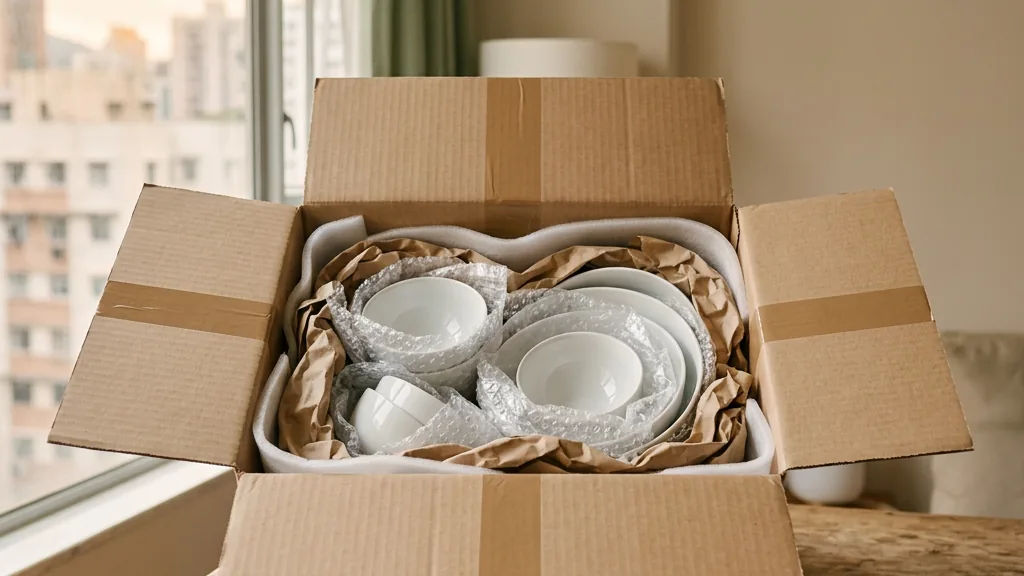
Musty odors in storage boxes usually result from stagnant air and moisture accumulation. Air fresheners only mask odors. Use physical adsorbents like activated carbon, or move items to a climate-controlled facility.
Musty odors when opening storage boxes after a season are often due to trapped air and moisture. Avoid using air fresheners, as they only mask odors and may blend poorly with existing smells. Focus on maintaining clean, dry storage.
A Stale Musty Odor Hits the Nose Upon Opening? Deconstructing the Physical Traps of Odor Breeding in Sealed Storage Boxes
Odors in sealed boxes are generally related to humidity and the condition of items before storage. Restricted airflow can lead to odor development. In humid climates, reduce clutter or consider climate-controlled storage for items sensitive to the environment.
Why Does the Odor Get Weirder with Air Fresheners? Deconstructing the Truth of the Interweaving of Chemical Masking and Organic Volatiles
Commercial air fresheners often use artificial fragrances that merely mask odors rather than addressing the source. They may also interact with existing gases in enclosed spaces. Keep storage areas ventilated and remove any materials emitting unclear odors.
How Do Activated Carbon and Baking Soda Absorb Odors?
For odors, use physical adsorption methods like natural activated carbon and replace as needed. If cleaning the interior, use a mild cleaner and dry thoroughly. Seek assistance from conservation professionals for precious, leather, or antique items, and avoid DIY repairs or direct sun exposure.
Competition of Common Deodorization and Storage Methods on the Market: What Kind of Environment Truly Prevents Odors?
There are many types of products on the market for removing odors and preventing moisture in sealed boxes. The deodorization principles and durability of different materials vary significantly. In order to help everyone take fewer detours when organizing for the season, the following is a comparison list of common deodorization and odor prevention solutions to help you accurately assess which strategy best suits the reality:
Deodorization and Storage Maintenance Plan 📦 | Actual Operating Principles and Advantages 💡 | Common Limitations and Potential Risks ⚠️ | Expert Recommended Strategies ✅ |
Chemical Fragrance Air Fresheners | Convenient to get, fragrant, cost-friendly | Purely masks odors; easily mixes with stale stuffy odors to form secondary weird smells | Highly NOT recommended for use inside sealed boxes; easily counterproductive |
High-Density Activated Carbon Adsorption Bags | Pure physical adsorption of odors and moisture, no irritating fragrance | Limited adsorption capacity; requires regular replacement or airing after saturation | Strongly recommended for daily auxiliary deodorization and moisture absorption in the box |
Baking Soda with Ventilation and Airing | Weakly alkaline neutralizes acidic odors, natural and non-toxic | Requires time and manual handling, limited by Hong Kong's rainy season weather | Suitable for comprehensive cleaning of clothing and boxes during seasonal spring cleaning |
Constant Temperature and Humidity Professional Storage Environment | 24-hour dehumidification and ventilation, blocks anaerobic fermentation and mold odor | Requires payment of corresponding exclusive storage space rental costs | Suitable for long-term odorless storage of thick seasonal quilts, clothing, and expensive collections |
Through the above table, it can be clearly seen that relying solely on chemical fragrances will only aggravate odor troubles. Controlling environmental humidity from the source and maintaining air circulation is the long-term strategy to prevent items from producing stale "musty odors."
Seeking help from professional teams
Although you have learned daily techniques such as using activated carbon bags, baking soda, and regular ventilation to improve the stale odors of storage boxes, facing Hong Kong's extremely small living spaces and the humid "Returning South" days where humidity is often maintained at over 80%, it is very difficult for ordinary families to spare enough cool and ventilated positions at home for many miscellaneous items to breathe.
Every time the season changes in autumn and winter, heavy quilts, down jackets, camping equipment, and precious souvenirs stack up, and the cramped space under the bed and on top of the wardrobe often lacks sufficient airflow circulation. Dramatic fluctuations in temperature and humidity can easily cause mold to grow inside the sealed box, and even damage expensive materials.
Instead of being worried every time you open the box and feeling irritable and helpless about the pungent "musty odor" in the house, it is better to hand over the long-term storage task to our professional storage team. We will help you properly place all kinds of seasonal clothing and private belongings, completely release home space, and keep your beloved items dry and fresh when you take them out.
Common Questions
Q1: The clothes in the plastic storage box have been stained with a very strong stale musty odor. Can ordinary laundry detergent wash it off?
A1: Ordinary laundry detergent can often only wash off surface dirt. Acidic odor molecules deep in the fibers may still remain. It is recommended to add an appropriate amount of white vinegar or baking soda to soak for 15 minutes during cleaning, followed by cleaning with warm water and air-drying in a cool place, which can significantly reduce residual odors.
Q2: How long can activated carbon bags generally be used for deodorizing inside a sealed box?
A2: Generally, activated carbon bags will reach saturation in a sealed box in about two to three months. It is recommended to take the charcoal bags out to be aired under the sun for a few hours every one to two months to release the adsorbed substances, or replace them with new ones regularly to maintain good adsorption efficiency.
Q3: When should one consider transferring seasonal clothing and home sundries to a constant temperature and humidity storage facility?
A3: When the lack of home storage space leads to excessive squeezing of sundries, the home is prone to moisture and mold, every time you open the box the clothes have an obvious stuffy odor, or you wish to properly preserve high-value leather clothing, down jackets, and souvenirs for a long time, transferring to a professional constant temperature and humidity storage facility is an extremely secure and worry-free choice.
One Plus One Storage Services
One Plus One Storage provides professional storage services, committed to offering citizens flexible, convenient, and reasonably priced storage solutions. We deeply understand the problem of land supply shortages in Hong Kong's urbanization process, as well as the current situation where changes in working patterns lead to an increasing need for home space among citizens. Therefore, we founded One Plus One Storage to respond to these growing needs.
Our storage facilities cover a variety of sizes; whether customers need small storage spaces for personal items or large storage spaces for company documents or furniture, we can provide suitable solutions. In addition, our price setting is fair and transparent, and we offer flexible lease terms, allowing customers to choose flexibly according to their own needs, whether for long-term or short-term leases.
For quotes or inquiries, please: Click to contact us via WhatsApp
- Address: Unit 16-17, 9/F, Nan Fung Commercial Centre, 19 Lam Lok Street, Kowloon Bay
- Tel: 3188 1889
- WhatsApp: 6928 9628
- Email:enquiry@opostorage.com
Feel free to contact us at any time, let us provide you with professional storage
Practical storage and planning
- Clean the box according to its material and manufacturer's instructions. Check for residual liquid, odours and dampness before adding sorted belongings.
- Place natural activated carbon in storage boxes and replace it regularly to maintain efficacy.
- Consult professional conservators for delicate items like leather or vintage paper if you detect persistent damage.
Frequently asked questions
Can DIY washing remove strong musty odors from clothes?
Standard washing may not remove deep-seated odors. For delicate items or antiques, professional cleaning or conservation is recommended to prevent further damage.
How long does an activated carbon bag last in a sealed box?
Adsorption capacity varies. Inspect your carbon bags regularly and replace them periodically rather than assuming they remain effective indefinitely.
Further reading: US National Archives guidance on storing papers and photographs; Canadian Conservation Institute guidance by material